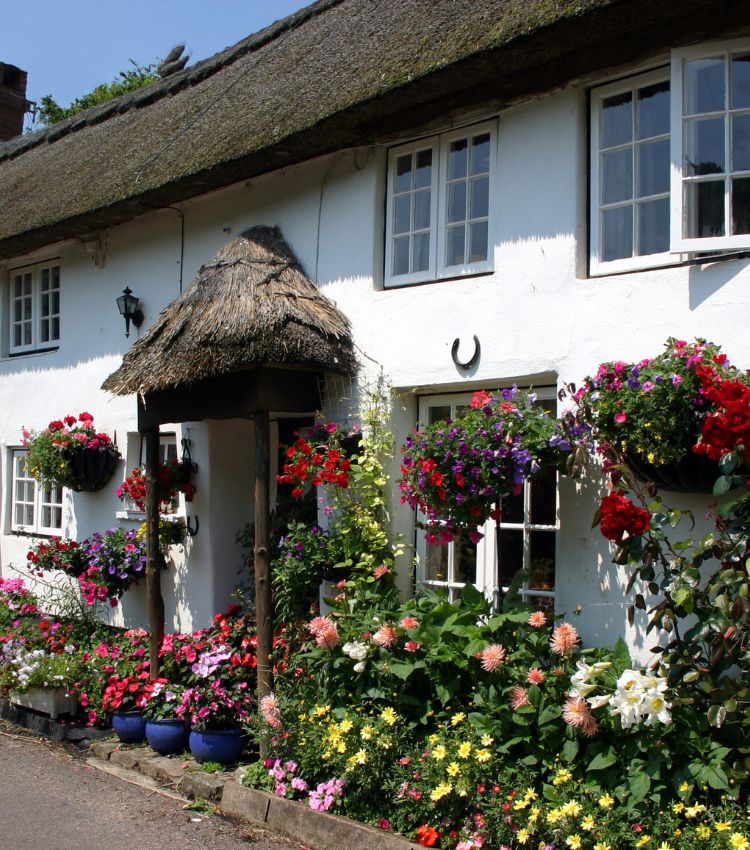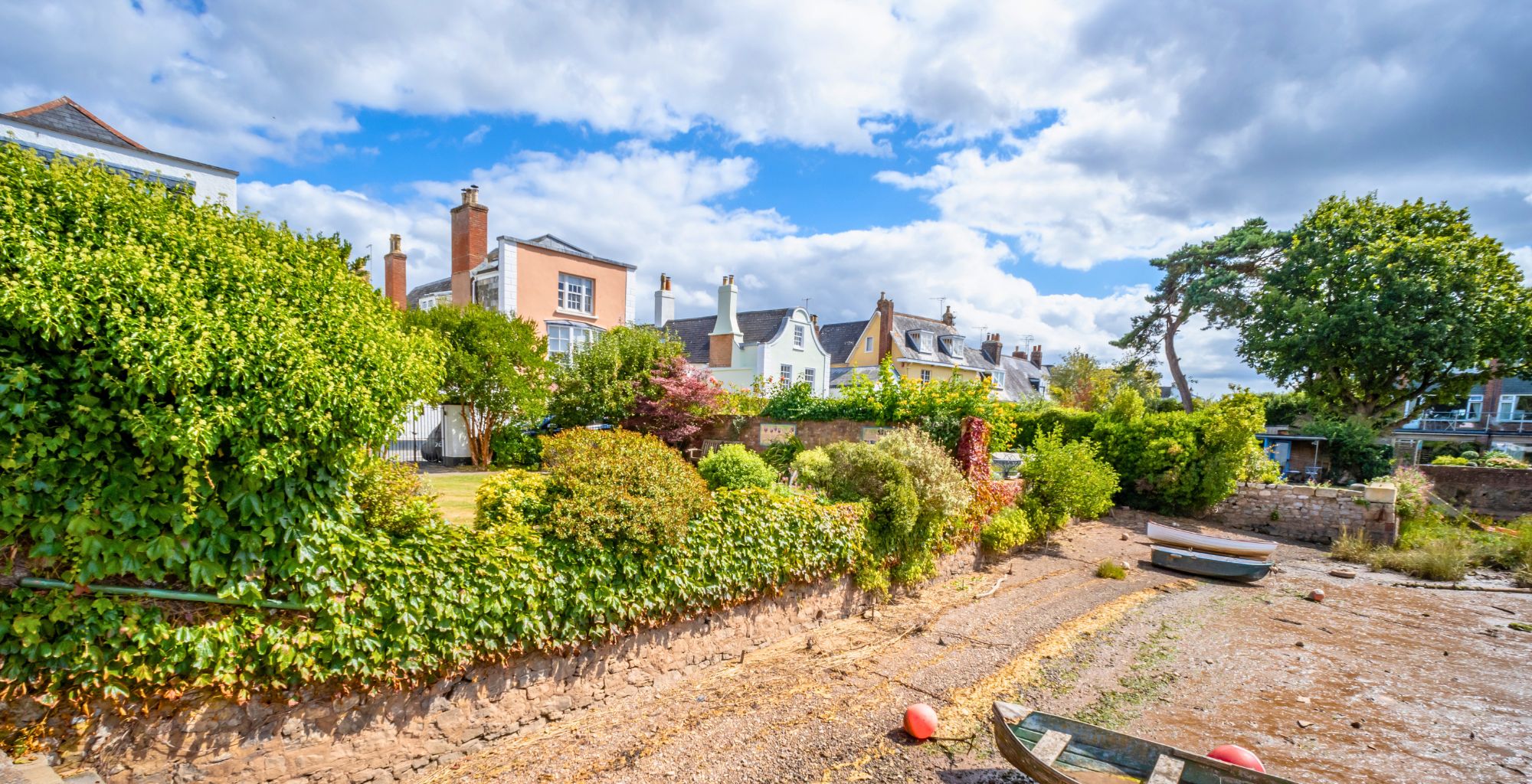
Well-Connected Devon Locations: A Buyer’s Guide to the County’s Prime Places to Live
Devon Property Finder Jennie Petersson explores the well-connected Devon locations that put countryside, coast, and Exeter’s rail links within reach.
Devon has always attracted buyers with its combination of coastline, countryside, and character property. What has changed is who is looking. The permanent shift in working patterns has brought a new wave of buyers to the county, people who would previously have ruled Devon out on geographic grounds, but who are now doing the harder analytical work of understanding where to buy and whether it is genuinely practical.
For those seeking convenient rural living in a well-connected Devon village or town, the answer depends almost entirely on where you place yourself relative to Exeter.
Why Exeter is the key to Devon’s prime property market
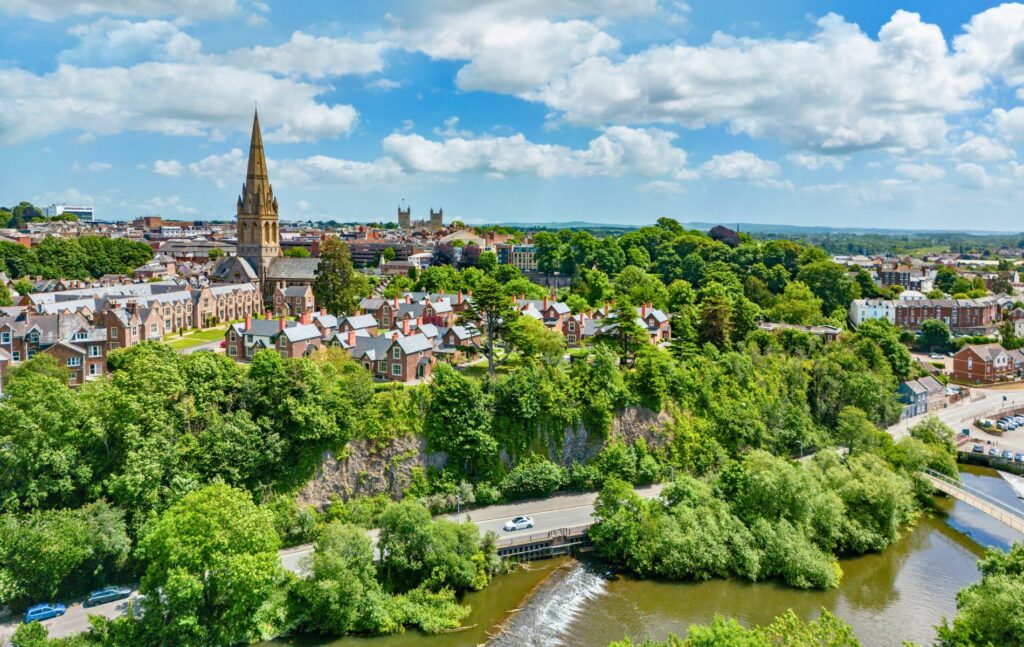
Exeter punches well above its size. The city’s university, cathedral, and cluster of independent schools, including Exeter School and The Maynard, help support demand from families and professionals who want proximity to quality education and a functioning city without living in one. Its professional services sector, major hospital, and cultural offerings are genuinely substantive. The connectivity matters too.
Great Western Railway services to London Paddington can take a little over two hours on the fastest services.
This places Exeter within reach for buyers who travel to the capital one or two days a week rather than five. The M5 provides straightforward access north to Bristol and beyond, while the A30 and A38 open up the rest of the county to the west and south.
Exeter Airport adds a further dimension, with routes through Amsterdam’s Schiphol hub giving international buyers and frequent travellers access to a broad onward network. Demand radiates outwards from the city in concentric rings. Understanding those rings is the starting point for any serious Devon property search.
The Exeter Orbit: Well-connected Devon villages and small towns within 30 minutes
The villages and small towns within approximately 30 minutes of Exeter form the county’s most consistently active prime market outside the South Hams, and represent the heartland of well-connected Devon living for serious buyers. Connectivity here is genuine and daily rather than aspirational.
Topsham and the Exe Estuary
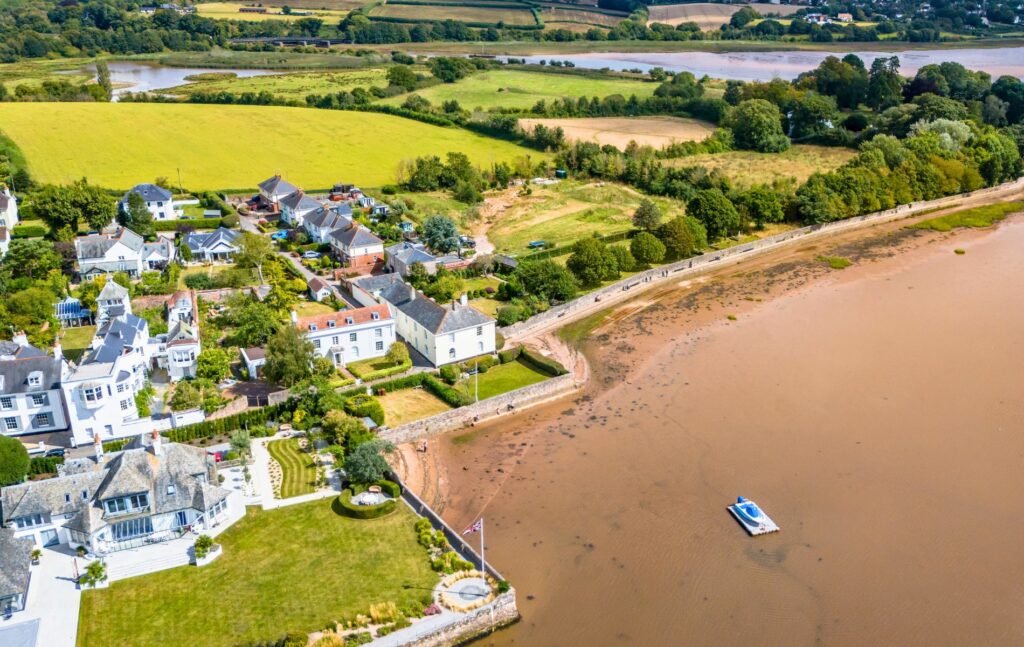
Technically within the Exeter boundary but emphatically its own place, Topsham is among the most sought-after addresses in the county. Georgian merchant houses, a thriving independent high street, estuary walks, and a regular rail link into Exeter St Davids make it a rare combination.
Prime stock is limited and rarely stays available for long.
For buyers who want something of the same character at a slightly quieter pitch, the nearby villages of Exton and Lympstone offer a compelling alternative, sharing the estuary setting and the same rail line without the competition that Topsham consistently attracts.
East Devon and the Exe Valley
Broadclyst, close to the Killerton estate and within easy reach of Exeter by road, draws families looking for genuine village character without sacrificing city access.
Ottery St Mary offers a traditional market town structure, with independent shops, a strong community, and good schooling, and the A30 provides quick access east towards Honiton, itself a market town with its own rail connection.
Whimple, Clyst Hydon, and the quieter villages of the Exe Valley reward buyers willing to look beyond the obvious names, with period cottages and farmhouses at prices that reflect their lower profile rather than any meaningful compromise on access.
Further north along the Exe, Thorverton and Brampford Speke are well regarded among buyers who prioritise a quieter approach to the city, with both villages offering a straightforward road commute that suits those working at the Royal Devon and Exeter Hospital or in central Exeter particularly well.
The Teign Valley Corridor
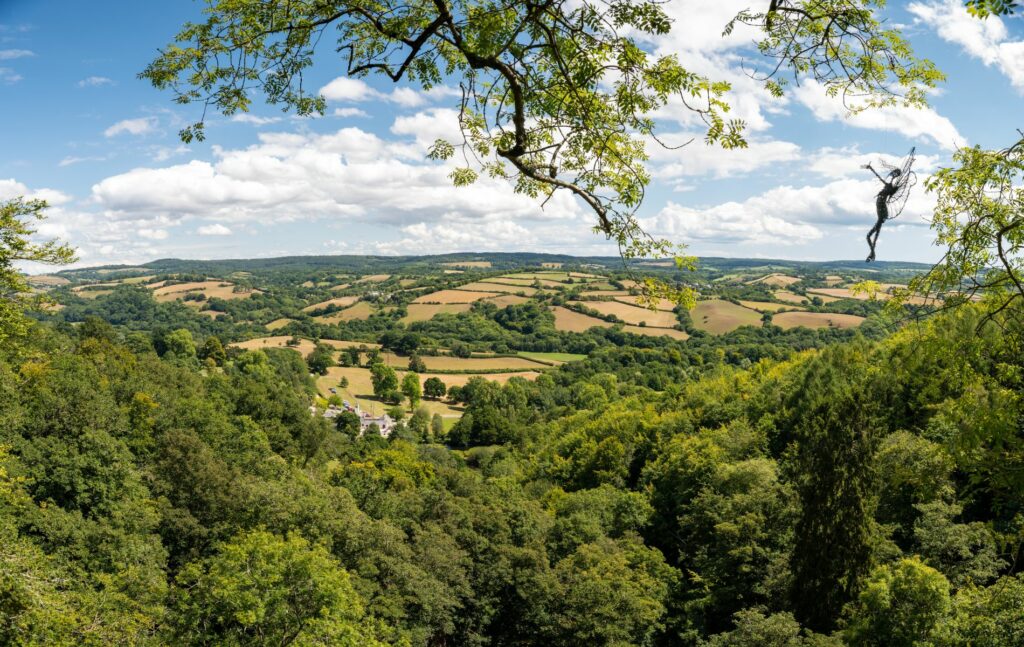
South of Exeter, the A38 Devon Expressway opens up a corridor of villages running towards the Dartmoor fringe. Chudleigh and Dunsford sit within comfortable reach of the city and offer the kind of character property, stone farmhouses, converted barns, and Georgian houses, that consistently drives prime buyer appetite in Devon.
Along the Teign Valley, Trusham and Christow are quieter finds for buyers drawn to the river and the wooded countryside that defines this stretch of East Dartmoor’s edge, with Exeter remaining well within reach by road.
Moretonhampstead occupies a particularly interesting position: a proper Dartmoor market town with a genuine community and the moor on its doorstep, yet within 40 minutes of Exeter on a clear run.
Accessible Devon: The South Hams and Dartmoor’s Fringe
The South Hams sits at the southern edge of prime, well-connected Devon locations, and it deserves honest treatment. For most of its addresses, this is not a daily commute. Totnes is the exception, with its own mainline rail connection to London Paddington placing it within reach of hybrid workers who travel to the capital regularly.
For Dartmouth, Salcombe, Kingsbridge, and the villages of the South Hams plateau, the journey to Exeter takes 45 minutes to an hour depending on traffic and starting point.
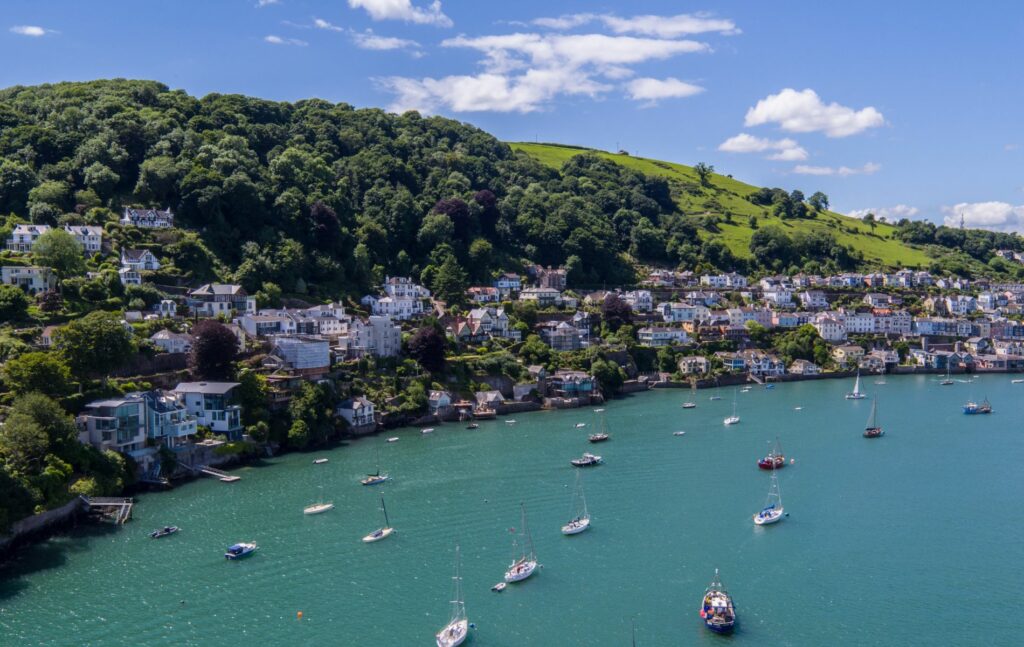
The buyers who choose this part of Devon have usually made a considered decision: the quality of the landscape, the waterfront access, the distinctiveness of the property stock, and the strength of the local community justify a longer drive when it is needed. Many travel infrequently. For those who do need to move regularly, the calculation is personal rather than universal.
Dartmoor’s accessible fringe deserves separate consideration, and it is a part of the market that many buyers overlook.
Properties within the National Park boundary are subject to planning constraints that limit supply and can complicate alterations. The market towns on Dartmoor’s perimeter, Tavistock to the west, Bovey Tracey and Ashburton to the east, and Chagford to the north, all offer genuine moorland character without those complications.
Tavistock in particular has useful road connections south to Plymouth and towards the A30, making it one of the more versatile bases in the county for buyers who need to move in multiple directions.
North Devon: A candid assessment
The connectivity case for North Devon requires the most honest treatment. The Tarka Line between Barnstaple and Exeter is a scenic and pleasant route, well suited to occasional travel, though buyers who need to commute regularly should assess current timetables carefully against their own requirements. The A361 North Devon Link Road is the primary artery into the region and can be slow at peak times and during the summer months.
The argument for North Devon rests on three things. Exeter Airport brings European connections within reach, which matters to international buyers and those with frequent business travel. The genuine shift in working patterns means that physical remoteness carries a different professional penalty than it did a decade ago, and for buyers who travel occasionally rather than daily, the calculation has changed materially.
And the coastal character of North Devon, particularly around the Taw and Torridge estuary, the villages near Instow and Braunton, and the more dramatic reaches of the Hartland Peninsula, can offer strong value relative to some better-known coastal markets, depending on location and property type.
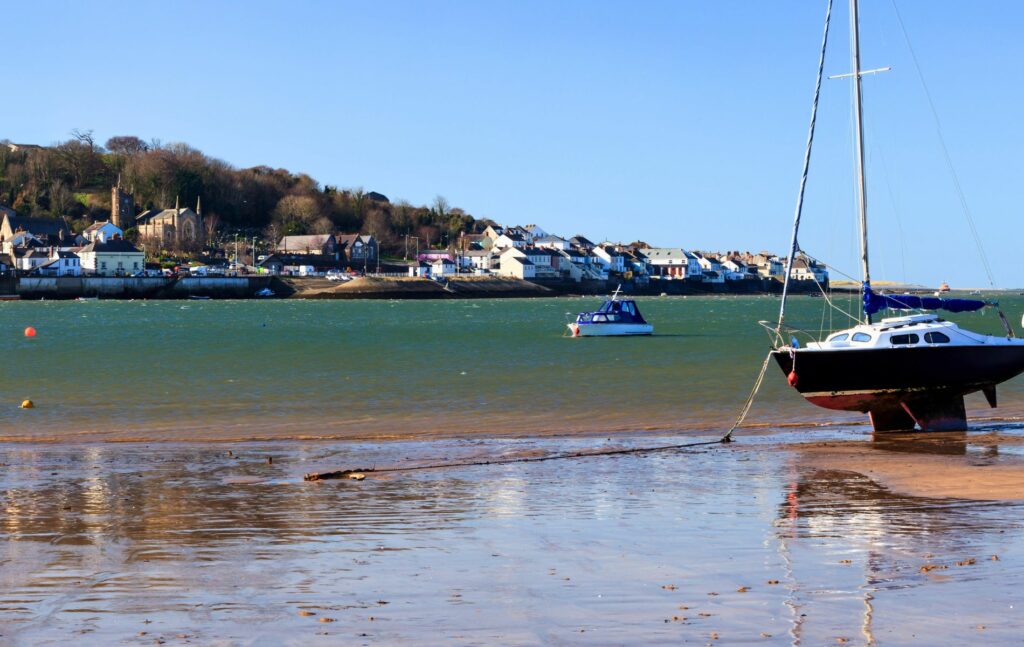
Those considering North Devon should do so with clear eyes about the road infrastructure. For the right buyer, the trade-off can feel worthwhile.
What prime buyers in Devon are actually looking for
Character property drives prime buyer appetite across the county: longhouses, barn conversions, Georgian market town houses, rectories, and farmhouses with land. New-build in the prime segment is limited, and genuinely exceptional stock is finite in every tier.
In the South Hams and around the Dartmoor fringe in particular, off-market opportunities can be an important part of the prime search process, with properties sometimes changing hands between well-connected buyers and sellers without reaching the open market.
For buyers relocating from elsewhere in the UK or from overseas, this creates a genuine challenge. The market is varied in character, patchy in stock, and the well-connected Devon market is not easily understood from a distance.
Knowing which villages consistently produce the right property, who holds that stock, and how to access it before it reaches open marketing is where the difference between a good purchase and the right purchase is most often found.
If you are considering a move to a well-connected Devon village or town and want to understand the prime market in more detail, the Garrington team would be glad to help. Please get in touch for a no-obligation conversation about your search.
Well-connected Devon: Frequently Asked Questions
What is the nicest part of Devon to live in?
The Exeter orbit, including Topsham, the East Devon villages, and the Exe Valley, is a well-connected Devon area with a strong combination of connectivity and character. The South Hams, including the areas around Totnes, Dartmouth, and Kingsbridge, is a consistently sought-after prime market for those with flexibility on commuting. Dartmoor’s fringe market towns offer exceptional landscape and character property for buyers willing to look beyond the obvious.
What is the nicest village or town in Devon to live in?
Topsham is frequently cited by prime buyers for its architecture, community, and practical access to Exeter. Chagford, on the northern edge of Dartmoor, has a devoted following among buyers who prioritise landscape and character. In the South Hams, Dittisham and the villages of the South Hams plateau consistently attract buyers seeking waterside access and genuine rural quiet.
Where is the best place to retire to in Devon?
Buyers retiring to Devon often prioritise access to good healthcare, a functioning town with independent shops and restaurants, and landscape on the doorstep. Totnes, Tavistock, and the East Devon market towns of Honiton and Ottery St Mary, or coastal locations such as Budleigh Salterton and Sidmouth all combine these qualities well. Coastal locations in the South Hams attract those for whom waterfront access is the priority.
What are the best places in Devon within commuting distance of London?
For buyers commuting to London one or two days a week, Totnes and Topsham offer practical rail connections to London Paddington via the Great Western mainline through Exeter. Villages within 30 minutes of Exeter St Davids extend that reach considerably, making much of East Devon and the Exe Valley viable for hybrid workers with a regular, but not daily, London commitment.