Retiring to Somerset: Finding the Right Place to Live
Retiring to Somerset is an appealing offer for those seeking quality of life, city living or the great outdoors.
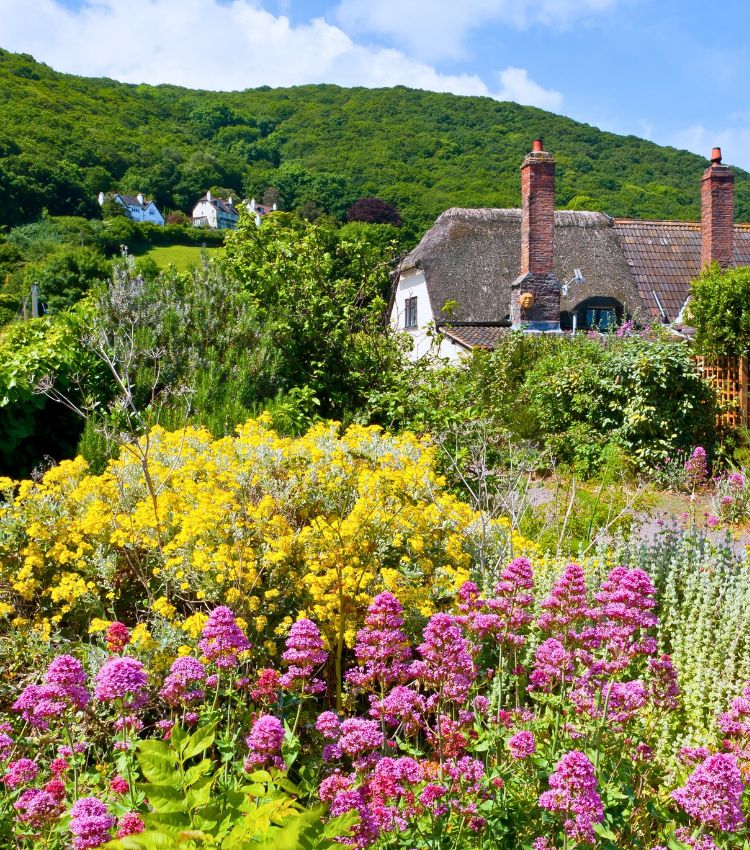
With work and the school run no longer setting the terms, the move can be shaped around how you want to spend the freedom years. Somerset offers a cathedral city, Georgian market towns, quiet stone villages and a long stretch of coast and a national park.
Why retiring to Somerset appeals
Much of the county’s appeal lies in what surrounds it. The county’s cities of Bath and Wells, and neighbouring Bristol, are within reach from many parts of Somerset, particularly the villages of the Chew Valley and those south of Bath, including Wellow and Combe Hay.
Bath, with its Georgian architecture, is a UNESCO city offering appealing places to shop, eat and drink. Bristol also offers its Harbourside, the amenities of Clifton Village and Ashton Court.
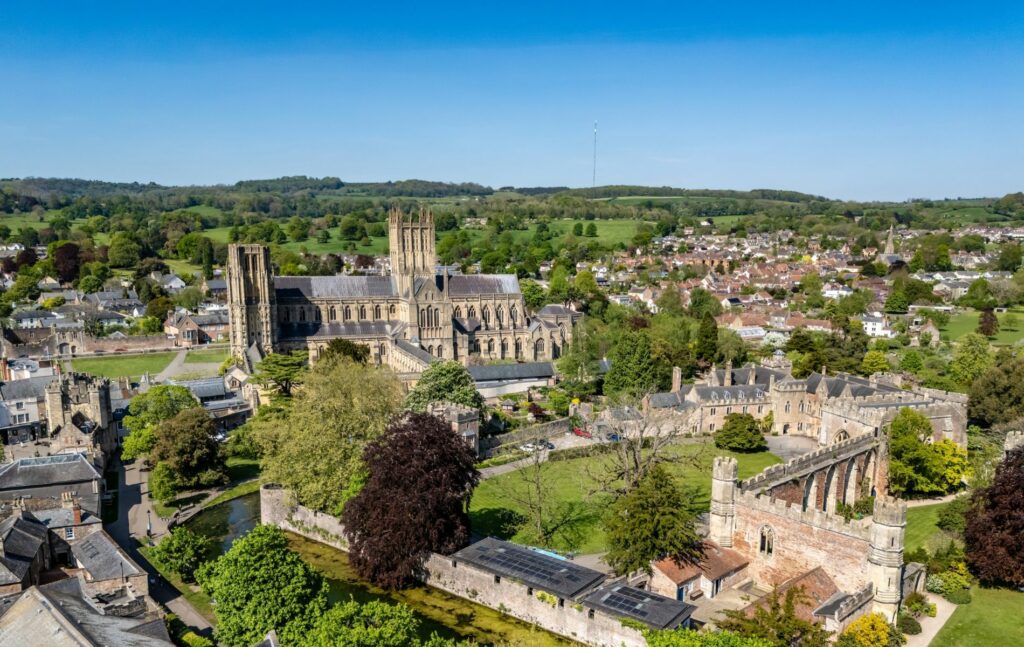
Wells is a huge appeal for retirees: the county’s smallest city, with the Cathedral, the Palace Gardens and boutique shops, museum and cafes. Many choose to live in the City, being small it is quiet and mellow, offering quaint townhouses or period properties in walking distance to the amenities.
Having access to public transport can be important for those not able or willing to drive. Castle Cary’s station has direct GWR trains to London Paddington in under two hours, a useful link for anyone whose children and grandchildren live in the capital, or access into Bath and Bristol, Frome or Bruton.
Bristol Airport on the county’s northern edge opens up short-haul travel and connections to long-haul hubs.
Then there is the countryside. The Mendip Hills and the Quantocks rise either side of the wide, watery Levels, while Exmoor runs down to the sea in a coastline of cliffs and coves.
That range is much of the attraction: a walk on the Mendips, a morning in Bath and an afternoon by the sea can all fit comfortably into the same week.
Downsizing to Somerset: moving differently, not just smaller
For many retirees, downsizing means a more manageable house and garden.
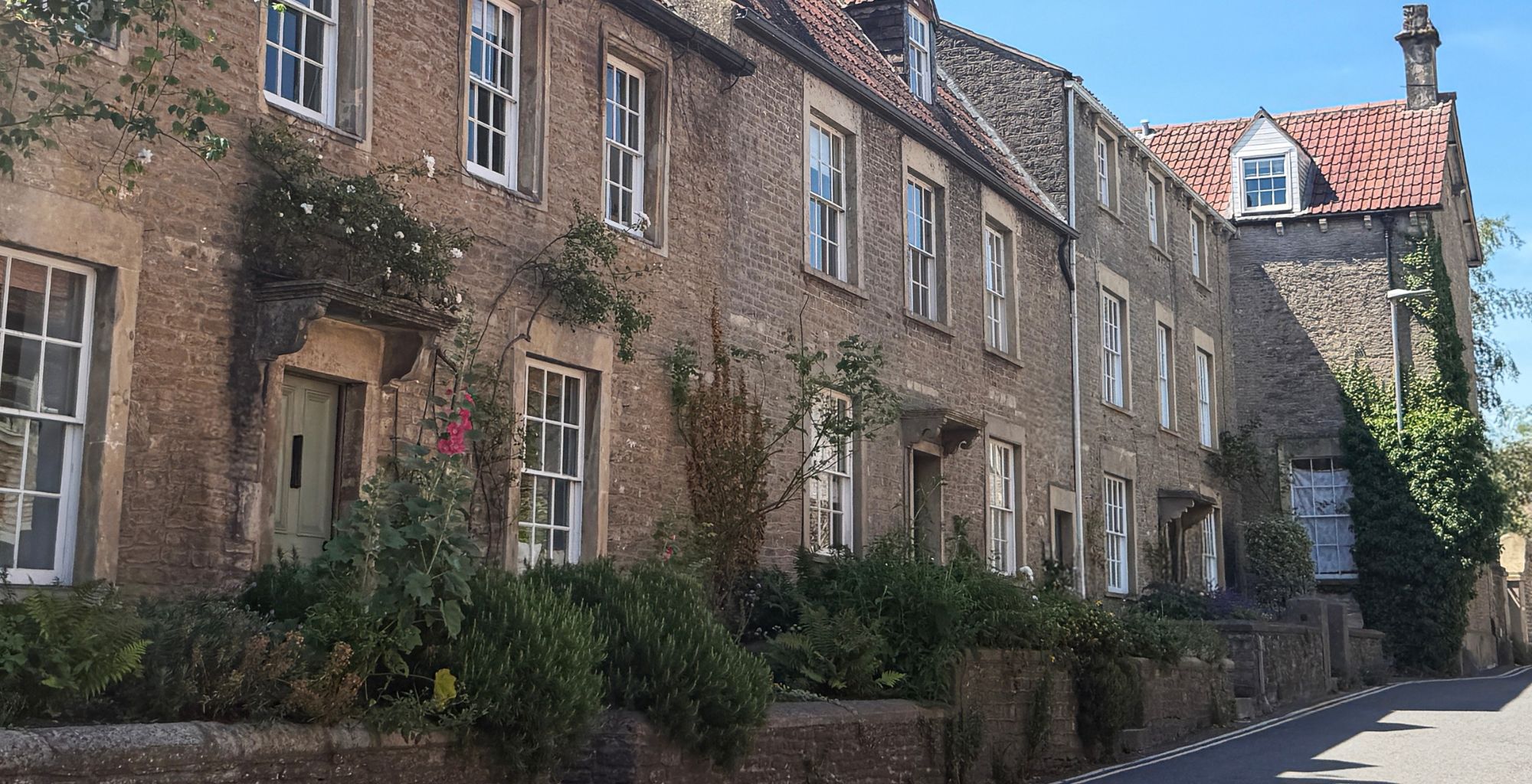
A Georgian townhouse in a market town, or a converted coach house on the edge of a village, can offer well-proportioned rooms, character and a manageable garden while leaving behind the grounds and upkeep of a larger family home.
New-build homes built to high specifications, with energy-efficient features and manageable gardens, are also available.
For buyers coming from London, the move can also release capital, and how that capital is used deserves as much thought as the purchase itself. Some want to help their children with a first home in London, while others want to fund travel or simply keep more in reserve.
Independent financial and tax advice is best taken early, since the right approach depends on individual circumstances.
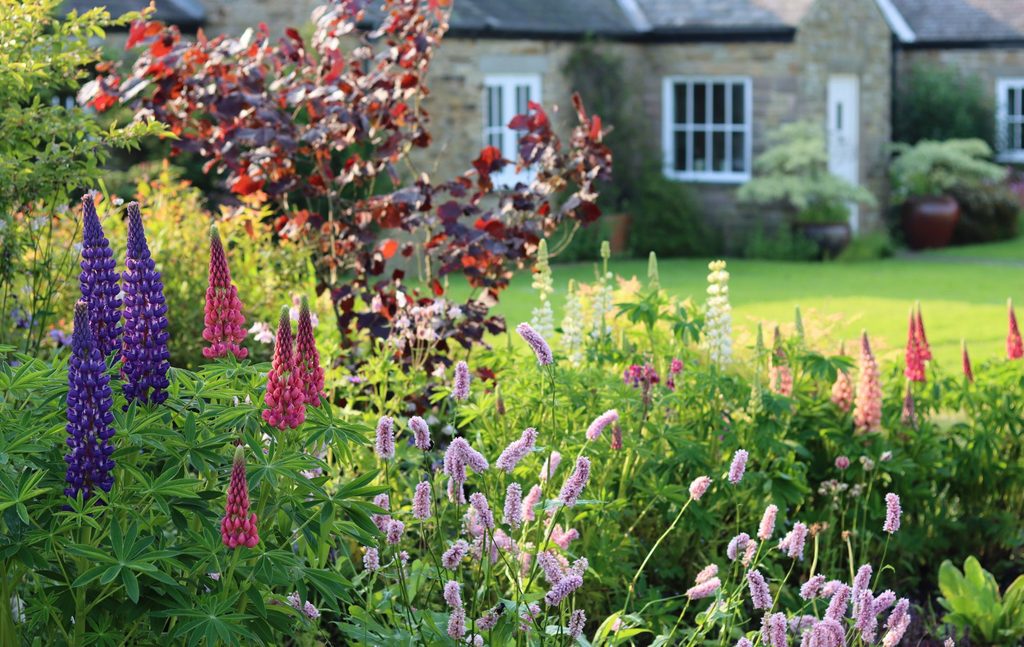
Where to live when retiring to Somerset
Every shortlist is different, but in our view some of the best places to retire in Somerset share a few qualities: walkable centres, good connections and a strong sense of community.
Wells, one of England’s smallest cities, is a real gem. The places below offer some alternatives, each suited to a slightly different kind of retirement.
The Chew Valley
The Chew Valley is a stretch of rolling countryside between Bristol and the northern slopes of the Mendips, offering village life within reach of both Bristol and Bath.
Chew Magna, the valley’s principal village, has a traditional village high street, several pubs and a strong community life. Smaller villages such as Chew Stoke, Compton Martin and West Harptree offer a quieter pace, with period houses set against the Mendip slopes.
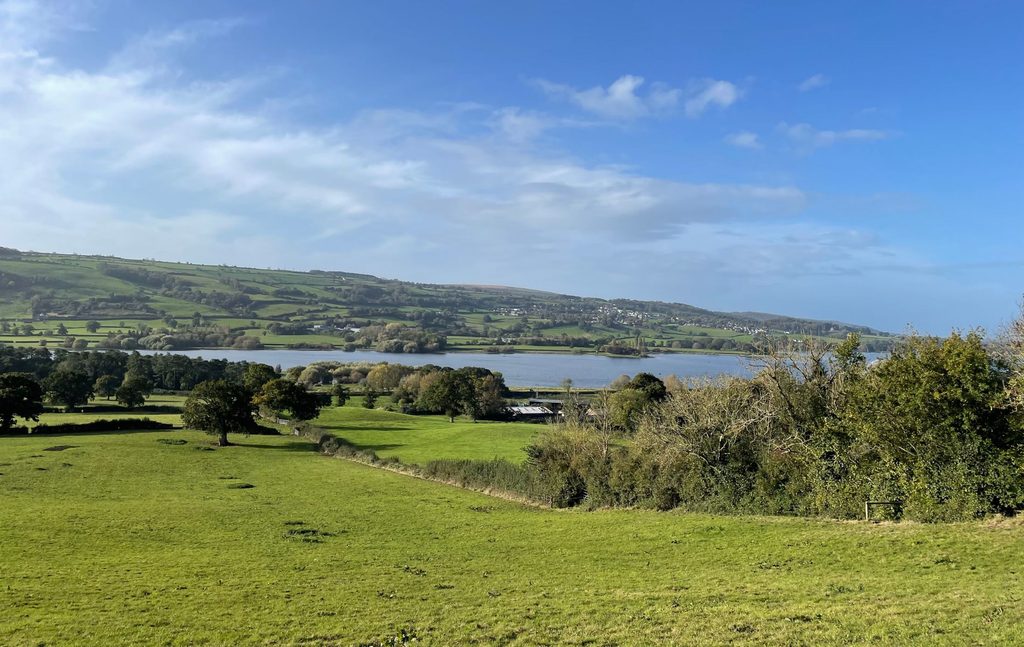
Chew Valley Lake sits at the heart of the valley, with lakeside walks, birdwatching and sailing, and Bristol Airport is only a short drive away.
Market towns on foot: Bruton and Frome
Bruton is a small, handsome town on the River Brue where much of daily life can be managed on foot from the centre. Its galleries, restaurants and independent shops give it a cultural life well beyond its size, and the town benefits from its own train station.
Frome is larger and livelier, with steep streets of independent shops and a good supply of Georgian and Victorian townhouses for those who want company and choice on the doorstep.
A line to London: Castle Cary
Castle Cary pairs a compact market town with a mainline station on its outskirts. Quieter than Frome and built of golden local stone around a Victorian market house, it suits those who travel to London from time to time and are happy to plan around the timetable.
Village life: South Petherton
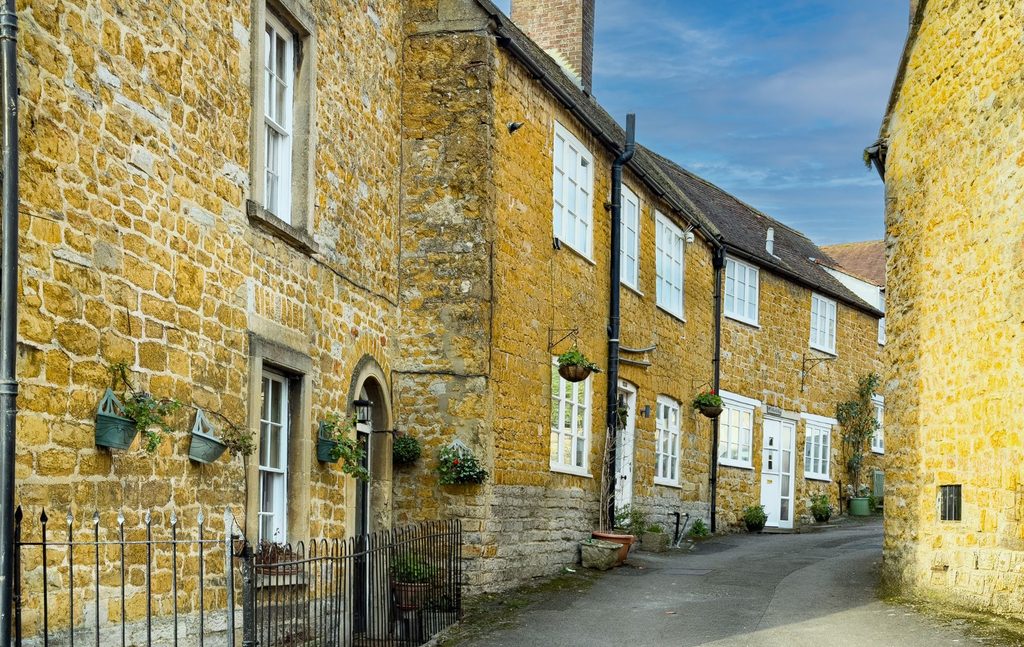
South Petherton is a large village of warm Ham stone close to the A303, which keeps the road east within easy reach. It has a strong community life, a good range of shops and an arts centre, the David Hall, at its heart.
Close to Bristol: Long Ashton and Wrington
Long Ashton sits on Bristol’s south-western edge, with the parkland of the Ashton Court estate on its doorstep. Wrington, a few miles further out in the Wrington Vale below the Mendips, feels more rural while keeping Bristol Airport and the city close by.
By the sea: Clevedon and Porlock
Clevedon is a Victorian seaside town on the Bristol Channel, with a Grade I listed pier, a marine lake and a long seafront promenade looking across the water to Wales. Much of daily life can be managed from its town centre, and Bristol is a short drive up the M5.
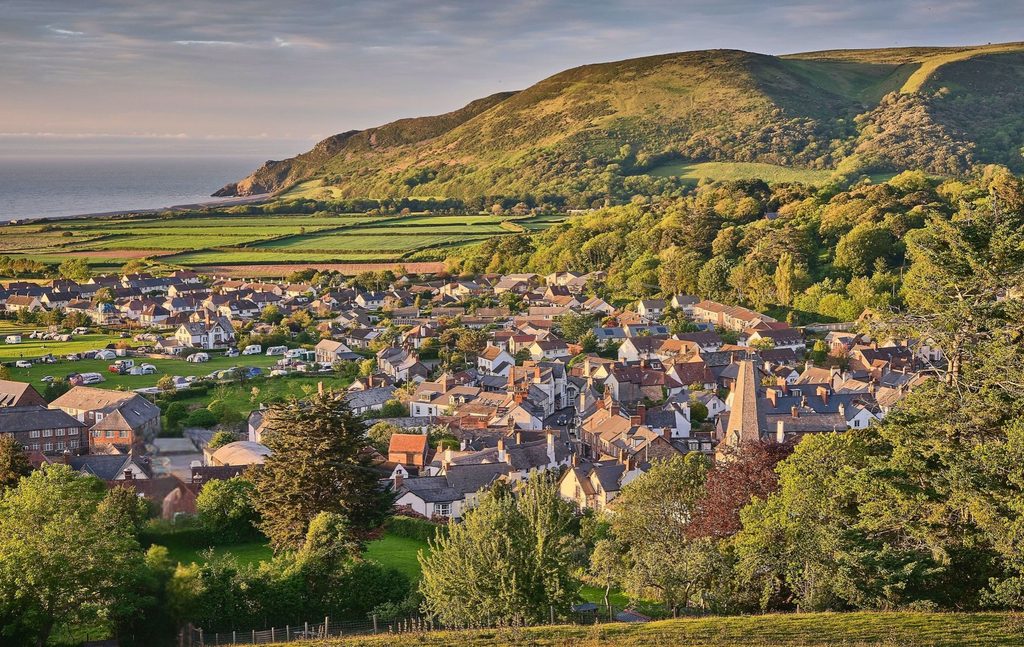
Porlock, where Exmoor meets the sea, is a quieter proposition: a village with a small harbour at Porlock Weir and a more remote character, where a car remains part of daily life.
Planning for the decades ahead
A home bought at the start of retirement should still work twenty or thirty years later, and that changes the brief considerably.
Step-free access, a ground-floor bedroom (or the space to add one) and a garden that can be enjoyed rather than managed tend to matter more than a long run of reception rooms.
A practical test for any retirement home is whether daily life works without a car.
From a central address in Wells, Bruton, Frome or Castle Cary, many everyday errands can be done on foot, although hills and the distance from the high street make more difference than a map suggests. In the more rural villages a car generally remains part of life, and that should be weighed against plans for the years ahead.
Access to hospital care varies across the county. Musgrove Park in Taunton and Yeovil District serve much of Somerset, the Royal United serves Bath, and Weston General covers the north-west, with Bristol’s hospitals closer for those on the city’s edge.
Getting the timing right
A rushed sequence is one of the more common pitfalls: selling the family home, then buying whatever happens to be available in the time left. Buyers at this stage often have more flexibility over timing than they realise, and it pays to protect it.
Viewing before listing helps. Seeing what a budget achieves in the Chew Valley or Bruton sharpens the brief, and can change the decision about which part of the county to focus on.
This is where a buying agent earns a place. Rather than trawling listings, a client working with us sees a shortlist chosen against their brief, with an experienced negotiator acting on their behalf.
Amy Proctor, our property finder in Somerset, brings local knowledge and a network of industry professionals to every search. That network can bring suitable homes to light before they are widely advertised, which is particularly useful for anyone relocating from further afield.
Her team’s property search across Somerset draws on that knowledge from the first conversation onwards.
If you are considering retiring to Somerset, we would welcome a conversation about where to look and how to time the move. Please contact us for a no-obligation discussion.
Frequently asked questions
Is Somerset a good place to retire?
Somerset suits retirement for practical reasons: Bath and Bristol are within reach for culture, Castle Cary has a direct train to London, and many everyday errands can be done on foot from central addresses in several market towns. The trade-off is that in smaller villages a car remains part of daily life.
Which council area would I live in?
The ceremonial county of Somerset, which this guide covers, spans three councils. Bruton, Castle Cary, Frome, South Petherton and Porlock fall under Somerset Council, Clevedon, Long Ashton and Wrington under North Somerset Council, and Chew Magna, Chew Stoke, Compton Martin, West Harptree, Wellow and Combe Hay under Bath and North East Somerset Council. Council tax, social care provision and planning policy differ between them, so check the relevant council before settling on a location.
How long does the train from Somerset to London take?
From Castle Cary, GWR’s direct trains reach London Paddington in under two hours. Services are less frequent than from a major station, so check the timetable against how often you expect to travel.
Is flooding a concern in Somerset?
Flood risk varies from property to property, and parts of the Somerset Levels are low-lying and have flooded in the past. The Environment Agency’s long term flood risk service on GOV.UK is a useful starting point, but it shows the risk for an area rather than for an individual house. Ask about the property’s own flood history, check the survey and confirm insurance before committing to a purchase.
Which hospitals serve Somerset?
The main acute hospitals are Musgrove Park in Taunton, Yeovil District, the Royal United in Bath and Weston General in Weston-super-Mare, with Bristol’s hospitals closer for those living on the city’s edge. It makes sense to check the distance to the nearest of these, and to a GP surgery, before you commit.