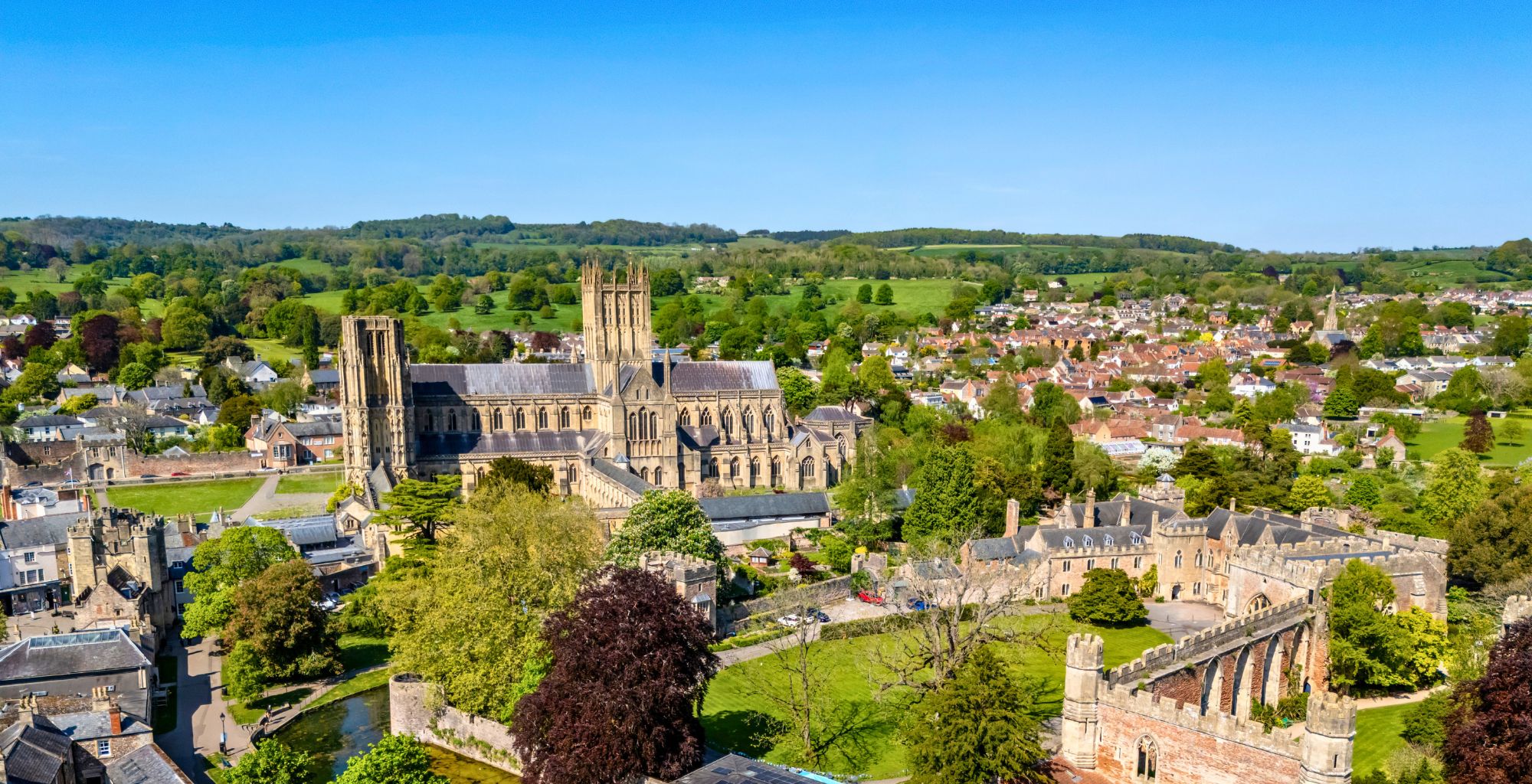
Where to Live Near the Top Independent Schools in Rural Somerset
The independent schools in rural Somerset sit within some of the county’s most varied and rewarding countryside.
For many families relocating to the area, deciding which school and where to live can feel daunting. Questions often arise around which villages may suit best, how school journeys will work in practice, and how easily a new location will fit around family life.
Many schools are situated throughout rural Somerset. The landscape varies from the limestone uplands of the Mendips to the low-lying levels around Glastonbury, the winding valleys of South Somerset, and the Blackdown Hills. Each school featured sits within a distinct pocket of countryside, and each draws families from surrounding villages and rural areas.
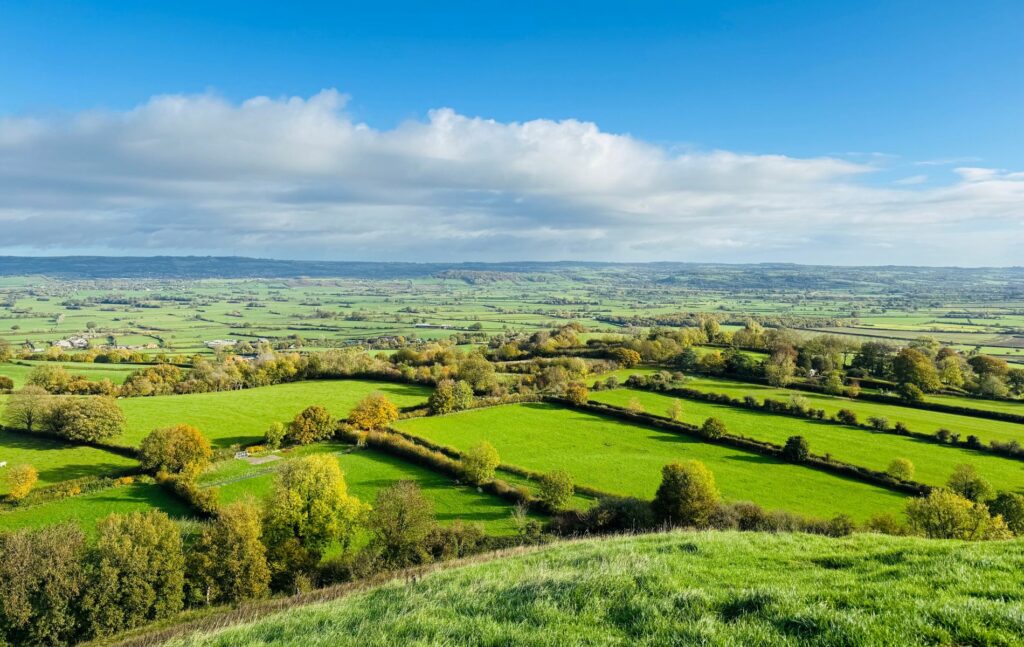
Many of these schools offer bus or minibus collection routes, which can considerably broaden the practical catchment. The character of a place, its community life, local amenities, and connection to open countryside, and the ease of the commute are also important factors.
What follows is a guide to some of the independent and state boarding schools that frequently arise in property searches we conduct across rural Somerset, along with the villages and towns that often appeal to families considering them.
Millfield School, Street
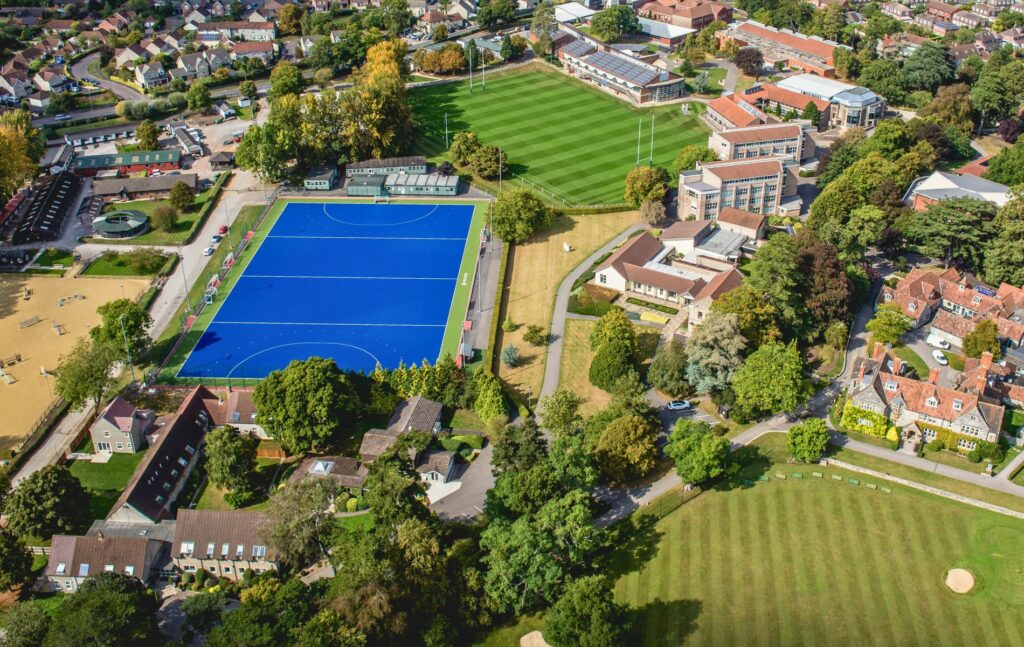
Set on extensive grounds in Street, Millfield is one of the UK’s largest co-educational independent schools, welcoming pupils from early years through to sixth form. The campus is expansive, with specialist facilities for sport, science, creative arts, and technology spread across landscaped grounds.
While widely recognised for sporting achievement, the school places equal emphasis on individual learning pathways and breadth of opportunity. Its Somerset setting provides space for outdoor training, equestrian facilities, and a strong sense of campus community.
Where to live near Millfield School, Street
The countryside between Glastonbury and Somerton is dotted with quieter villages. Baltonsborough, Butleigh, and Dundon sit within the agricultural landscape, linked by narrow lanes and open fields.
In Baltonsborough, a long village green and medieval church create a natural focal point, while Butleigh offers a slightly larger centre with a primary school and village shop. Dundon feels more tucked away, with fewer through-roads and wide views across pastureland.
For those seeking more amenities without sacrificing a rural setting, Castle Cary and Somerton are attractive alternatives.
Castle Cary combines an independent high street with a direct rail service to London Paddington, while Somerton’s broad market square, Georgian and earlier buildings, cafés, and independent shops offer everyday convenience within easy reach of the campus.
Both are well-regarded by families considering the independent schools in rural Somerset who want amenities alongside open countryside.
Wells Cathedral School
Located beside the cathedral in England’s smallest city, Wells Cathedral School combines historic surroundings with a full academic and co-curricular programme for ages 2 to 18. It is particularly known for music, with specialist pathways running alongside a broad curriculum. The setting, framed by medieval streets, the cathedral green, and the Bishop’s Palace, gives the school a distinctive atmosphere that is genuinely unlike anywhere else in the county.
Where to live near Wells Cathedral School
Living within reach of Wells Cathedral School means choosing between the historic city itself and the surrounding Mendip villages.
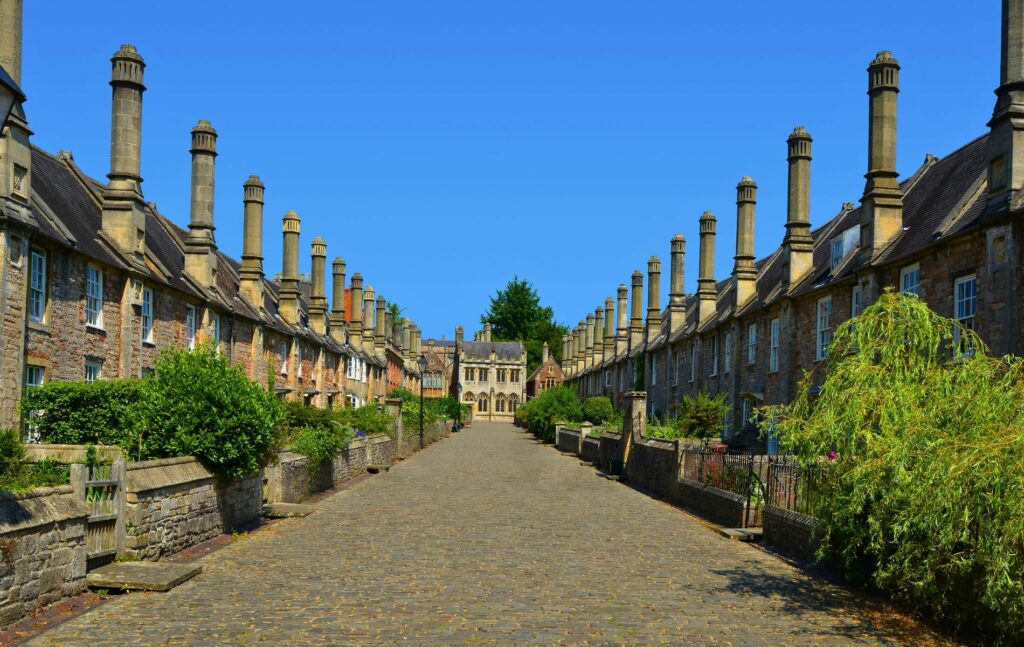
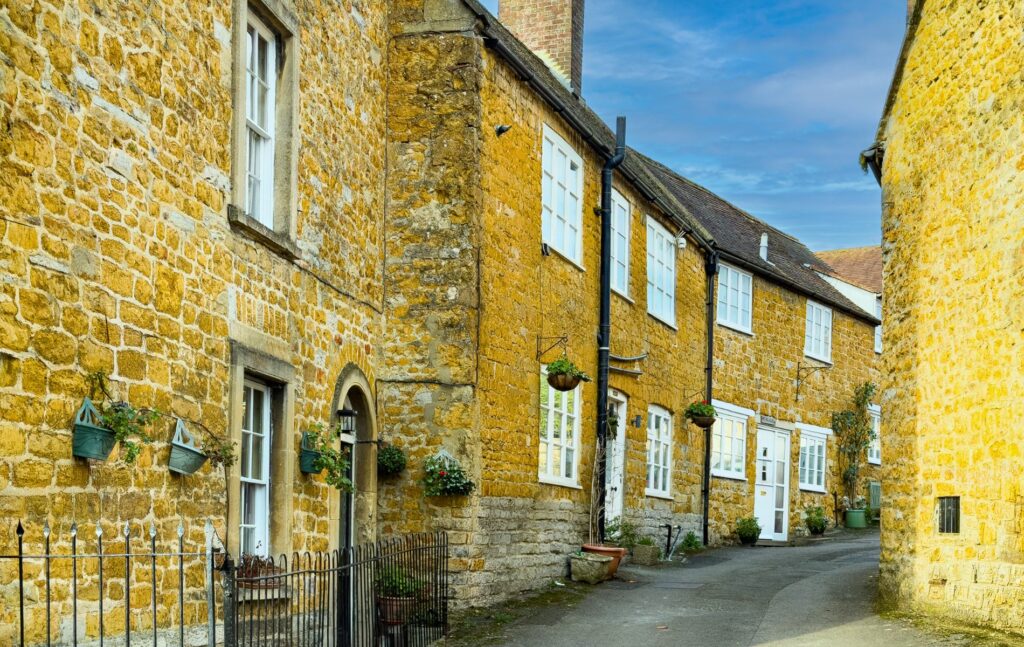
To the east, Batcombe and Nunney offer classic Somerset stone houses clustered around church towers and quiet lanes. Nunney’s moated castle adds a further layer of character, while Batcombe sits higher in the landscape with far-reaching views across the countryside.
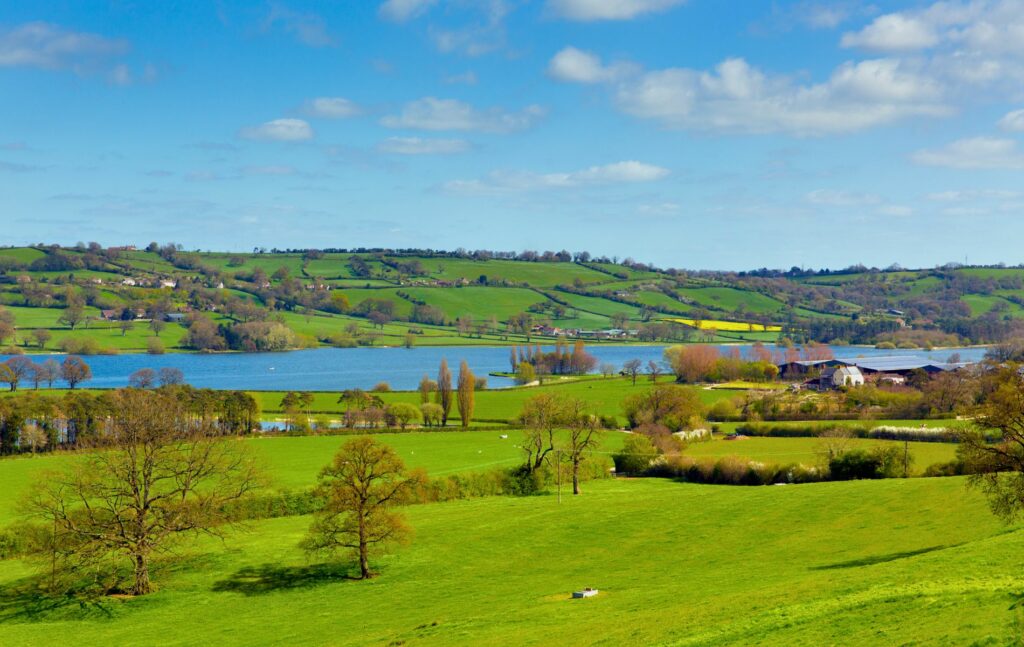
North of Wells, the Chew Valley opens out towards Chew Valley Lake, where villages such as Chew Stoke, Litton, and East Harptree sit among pasture, lakes and woodland. Properties here range from period farmhouses to substantial detached homes, often with generous gardens and immediate access to walking routes.
Families with connections to Bristol find this corridor particularly practical, as it balances rural Somerset living with relatively straightforward city access.
Further west, Wedmore provides a larger village setting with an active high street, sports clubs, and independent retailers.
Sidcot School, Winscombe
Sidcot School sits at the foot of the Mendip Hills near Winscombe and is guided by Quaker principles. It offers co-educational day and boarding education from early years to sixth form, with a focus on individual development, sustainability, and outdoor learning.
The campus is surrounded by open countryside, and access to the Mendip landscape shapes much of school life, from Duke of Edinburgh expeditions to environmental initiatives and strong sport and equestrian provision.
Where to live near Sidcot School, Winscombe
Around Sidcot, the landscape is shaped by the Mendip Hills and Burrington Coombe. Blagdon sits above the lake with houses looking across the water, while Butcombe and Nempnett Thrubwell offer farmland and equestrian properties with the Mendips as a backdrop.
Chew Stoke and East Harptree share a similar rural character, shaped by reservoirs and long-established village communities. Living here often means larger plots, quieter roads, and immediate access to open countryside.
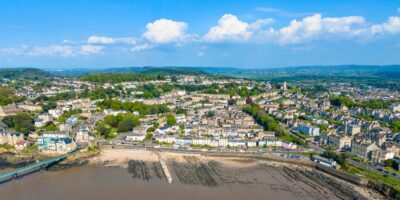
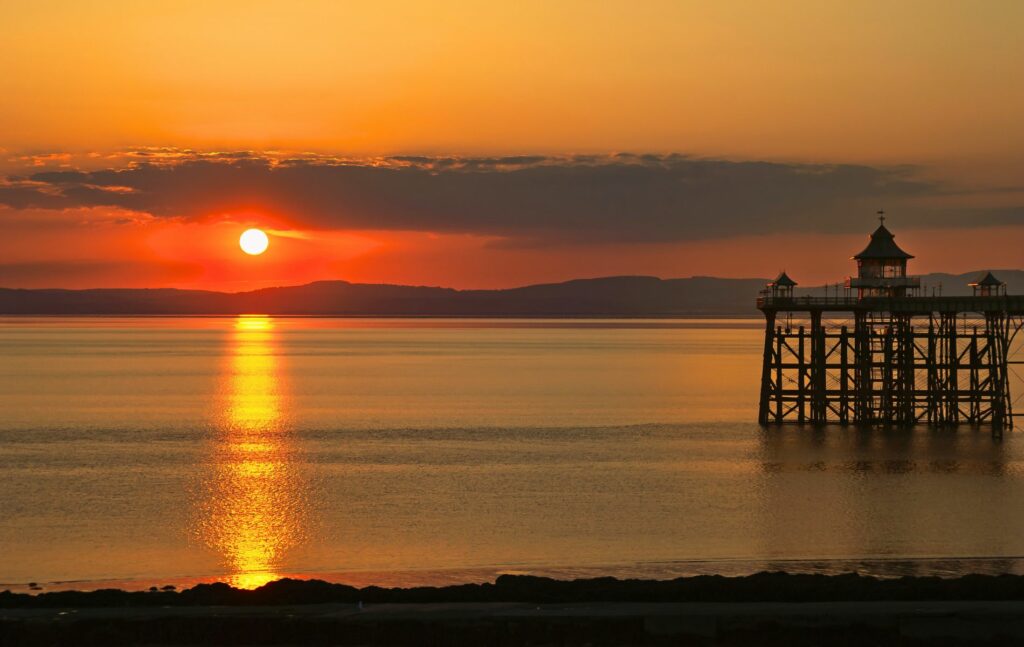
Heading west towards the coast, Clevedon offers Victorian terraces, a historic pier and views across the Severn Estuary, alongside a broader range of independent shops and convenient access to the M5. Closer to Bristol, Chew Magna and Abbots Leigh combine village settings with comparatively straightforward commuting routes.
King’s Bruton
King’s Bruton is an independent co-educational boarding and day school for ages 13 to 18, founded in the 16th century. Positioned within Bruton itself, the school blends historic buildings with modern teaching facilities and maintains a strong academic focus alongside sport, drama, and music. The relatively compact scale of the town contributes to a close-knit feel, particularly for boarders.
Sexey’s School, Bruton
Sexey’s School is a Church of England state boarding and day school for pupils aged 11 to 18, located on the edge of Bruton. The school combines a traditional house structure with a broad academic curriculum and strong pastoral care. Its position in South Somerset places it within reach of open countryside while remaining connected to the growing cultural life of Bruton itself.
Where to live near King’s Bruton and Sexey’s School, Bruton
Bruton itself has quickly established a reputation well beyond its size. Independent shops, galleries, and quality restaurants sit alongside medieval streets and period townhouses, and the presence of Hauser and Wirth has drawn a creative and professional audience that now forms part of the town’s permanent community.
Living in Bruton allows walkable access to both schools and everyday amenities, while properties on the fringes open out onto farmland and access to London with rail connections via Bruton station linking to the wider network.
A short drive away, Frome brings rail links to Bath, Bristol and London, an independent artisan quarter and a wider choice of housing, from Georgian terraces to more contemporary developments. For families researching the independent schools in rural Somerset who want a larger town base with strong onward connections, Frome is a practical and characterful option.
For a more rural setting, villages such as South Cadbury, South Brewham, Beckington, and Mells are scattered across rolling fields and wooded valleys, with cottages and converted barns along quiet lanes, yet all within straightforward reach of Bruton.
Wellington School, Somerset
Wellington School is situated in Wellington, close to the Blackdown Hills. It offers co-educational day and boarding education from nursery to sixth form, with a broad academic curriculum and strong provision in sport and the arts. While not as remote as some Somerset schools, it benefits from proximity to open countryside and the well-connected town of Taunton nearby.
Where to live near Wellington School, Somerset
South of Wellington, the landscape rises into the Blackdown Hills National Landscape, where villages such as Buckland St Mary are characterised by winding lanes, farmland and scattered period properties. Homes here often include converted barns and detached houses with land, appealing to families who prioritise space and seclusion above all else.
Closer to Taunton, Kingston St Mary provides a village setting with views across the Vale of Taunton Deane and access to both countryside and town facilities. To the west, Wiveliscombe strikes a balance between village and small market town, with independent shops, cafés, and a mix of period and modern homes.
Taunton offers direct rail services to London Paddington, making it a viable base for those who commute, and the town’s range of amenities, schools, and leisure facilities adds further appeal.
Where to live near the top independent schools in rural Somerset
The villages and towns in this guide represent a fraction of what the schools in and around rural Somerset and their surrounding areas offer relocating families. The right location depends on a combination of factors: commute patterns, property type, school transport routes, proximity to a rail station, and whether a place simply feels right.
Some families arrive with a clear sense of where they want to be. Others find that a conversation about their priorities shifts the search in directions they had not considered.
Garrington advises clients on home searches across Somerset and the surrounding area. If you are weighing up locations alongside a school shortlist and would value independent buying advice tailored to your search, please get in touch for a confidential, no-obligation discussion about your requirements.