Living in a South West Market Town: The Region’s Prime Addresses
Not every market town is equal, and for buyers considering living in a South West market town, the distinction matters.
A market town with a struggling high street, limited independent retail, and no meaningful connection to landscape is a very different proposition from one where those qualities are present and compounding. The gap between the two is not always obvious from a weekend visit or a property portal search.
For those considering living in a South West market town, this guide explores prime locations that frequently sit within the natural search area for buyers looking in the region’s western and northern fringes.
What makes a market town prime?
The factors that buyers prioritise when searching for a prime market town vary, but certain qualities recur consistently.
The health of the independent high street, proximity to a national park or National Landscape, formerly known as an Area of Outstanding Natural Beauty (AONB), the quality of local school provision, and transport connectivity that supports flexible working without severing ties to employment centres are all common criteria.
Where several factors align, supply can be more constrained, and buyer demand may be more resilient.
Though conditions vary by town, property type, and market cycle, understanding where each town is strong and where it asks buyers to make a trade-off is the starting point for any well-informed search.
Which South West market towns to consider
Garrington’s South West team has been helping buyers navigate prime market town searches for many years. Here, we look at just some of the market towns that feature consistently in those searches, and what makes each one worth considering.
Devon
Devon’s market towns reflect the breadth of what the South West has to offer, from the edge of a national park to the heart of a celebrated coastal hinterland.
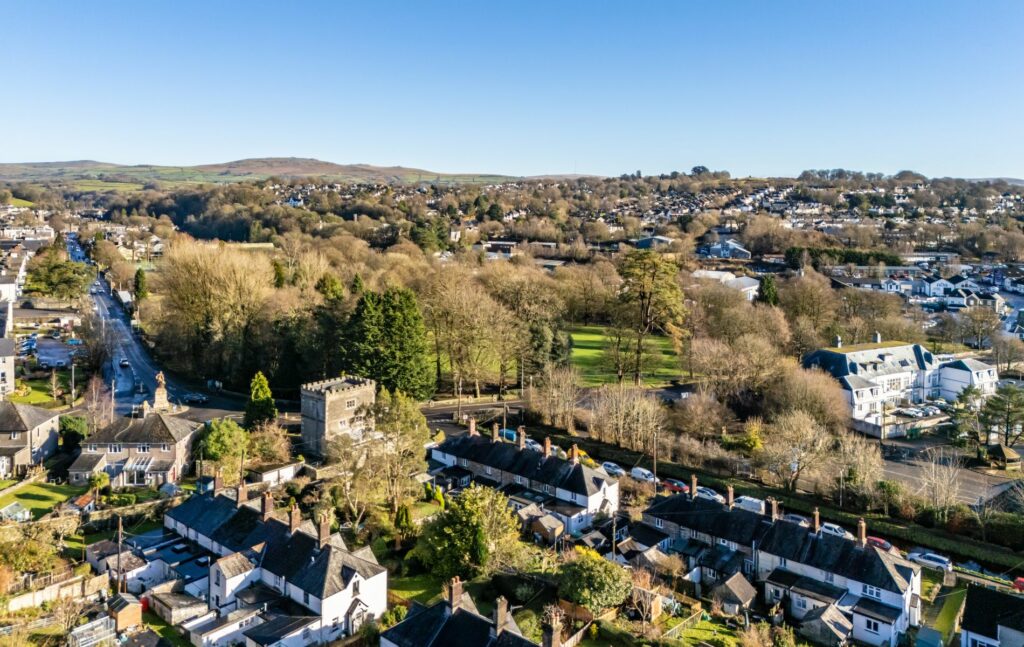
Tavistock sits on the western edge of Dartmoor National Park, anchored by its pannier market and a high street that retains a genuine rural character. The town draws buyers from Plymouth’s professional community as well as those relocating from further afield, with immediate access to protected moorland and the wider Dartmoor landscape underpinning its appeal.
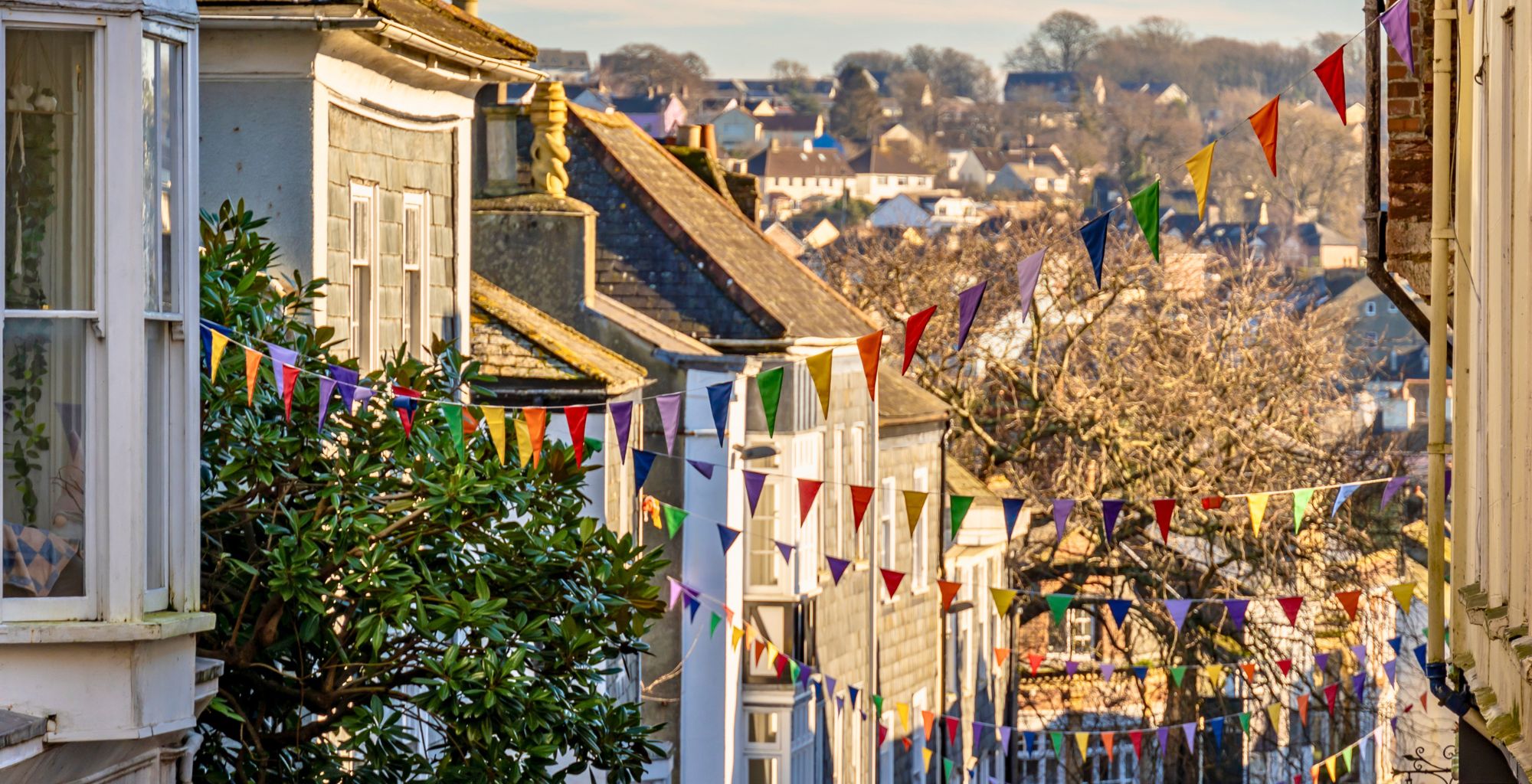
Totnes, in the South Hams district, operates on different terms. Its independent high street has a coherence and density which helps it stand out among towns of a similar scale, and its location gives buyers access to a highly sought-after rural catchment. These are towns that function on their own terms, which helps explain their enduring appeal.
Ashburton, on Dartmoor’s southern fringe, was named in The Sunday Times Best Places to Live 2025, a reflection of its independent character and the quality of its built environment at a scale that larger towns cannot replicate. Kingsbridge, the commercial heart of the South Hams, draws buyers seeking coastal proximity alongside a functioning market town.
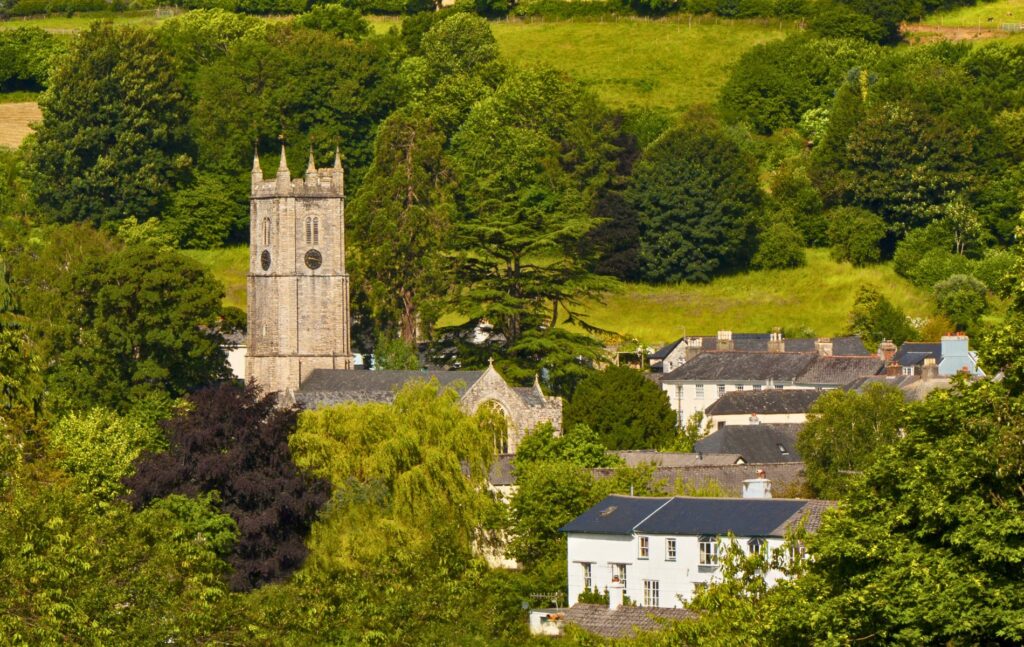
In Garrington’s experience, the area has attracted sustained interest from prime buyers who are considering living in a South West market town, and some prime stock changes hands before reaching the public portals. For buyers searching Devon property at this level, awareness of pre-market and private opportunities is an important consideration.
Cornwall
Cornwall’s established market towns serve a county whose prime property market is as varied in character as its coastline and moorland. Launceston, on the county’s eastern border with Devon, is among the most historically significant: its Norman castle dominates the town and the surrounding agricultural landscape, and its position on the A30 makes it one of the more practically connected addresses in north Cornwall.
The town draws buyers who want a working market town with a strong local community and straightforward access to both Dartmoor and the north Cornish coast.
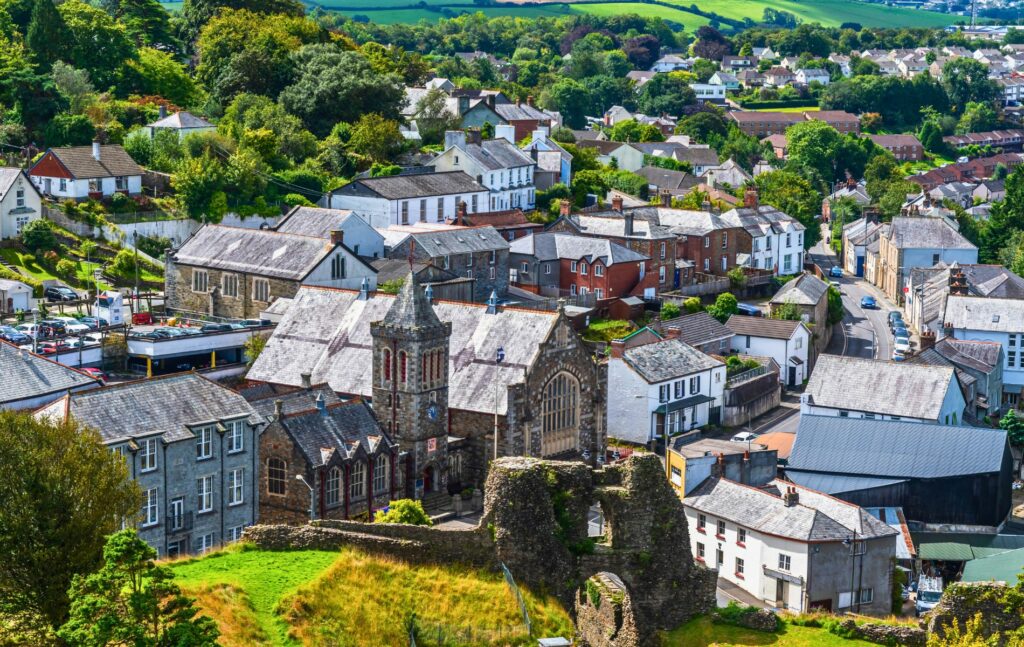
Liskeard, to the south, serves a different catchment. It is a working market town with a direct rail connection to Plymouth and onward services toward London, and the surrounding countryside, running toward Bodmin Moor and the Looe Valley, provides a landscape setting that continues to attract buyers seeking rural character at a price point below the county’s more celebrated coastal addresses.
Wadebridge serves north Cornwall buyers who want proximity to the Camel Estuary without the supply pressures of the estuary villages themselves, and Fowey combines a harbour setting of considerable distinction with planning and conservation constraints that contribute to a characteristically limited supply picture.
For buyers exploring Cornwall property, understanding the pace and character of each micro-market is as important as identifying the right property.
Somerset
Somerset’s market town offering spans a county of considerable variety. Frome has established itself as the benchmark for independent market town living, its monthly Frome Independent market emblematic of a buyer base that is creative, professionally diverse, and deeply community-rooted.
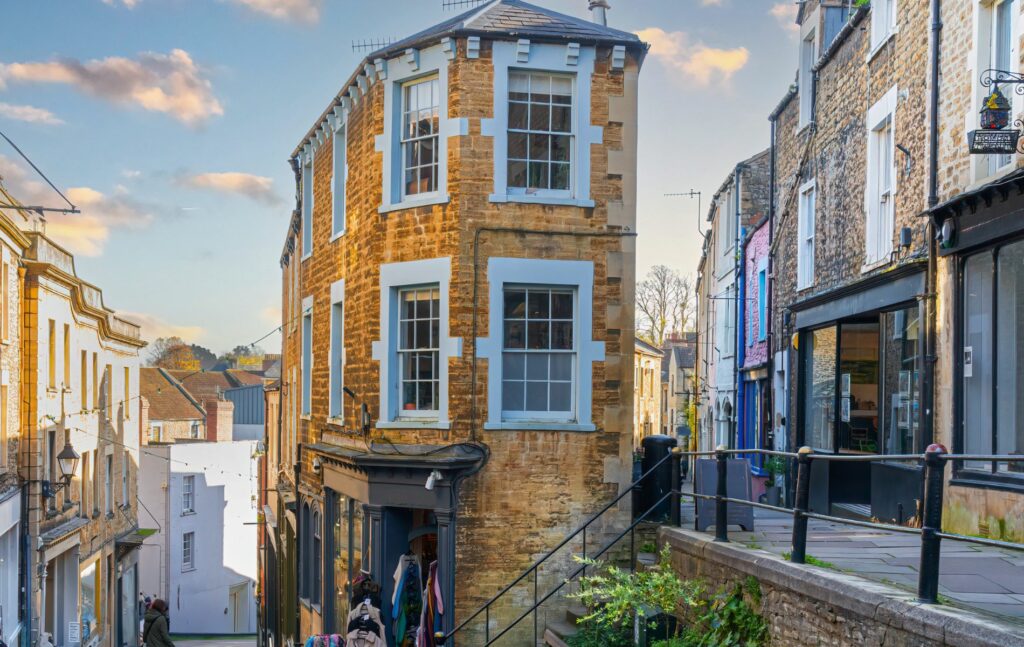
Bruton carries considerable cultural density relative to its size, with an arts and restaurant scene that draws buyers from well beyond its immediate catchment, while Wells offers the contrasting appeal of a compact cathedral city set against the Mendip Hills with well-regarded schools and a settled residential community.
To the south, Castle Cary, set between the Mendips and the Vale of Blackmoor, combines an independent high street and working cattle market with a mainline rail connection to London Paddington that gives it a reach well beyond its modest scale.
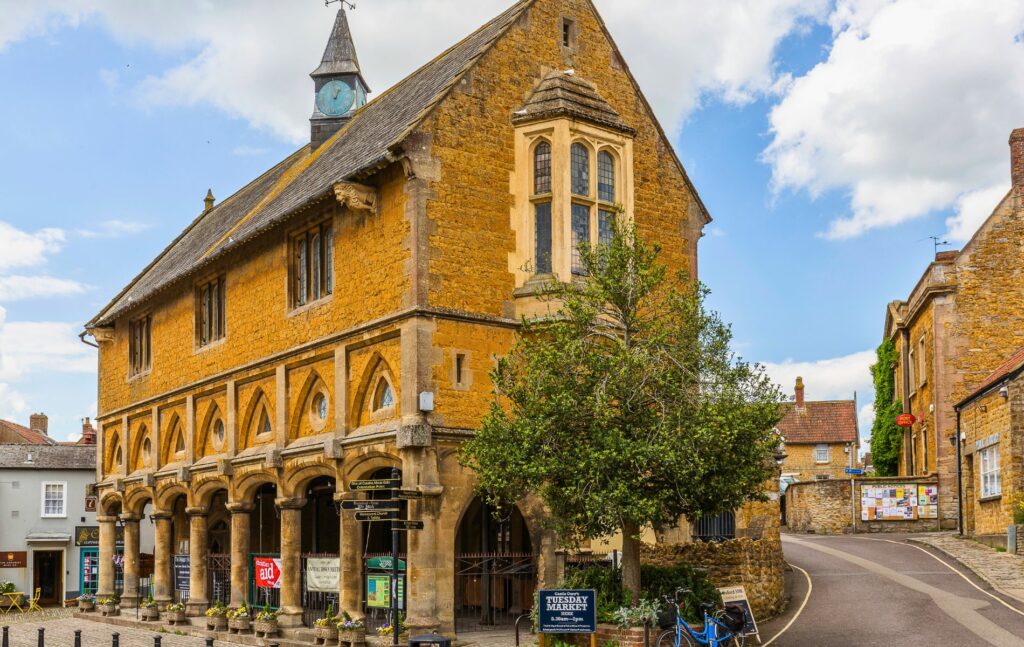
Nearby, Somerton, the county’s historic capital, brings medieval streets, Georgian facades, and a market square that speaks to its long civic history. Further south still, Ilminster has strong A303 connections and a catchment that extends into the Somerset Levels and the Blackdown Hills National Landscape.
Looking north, the Chew Valley, named the South West regional winner in The Sunday Times Best Places to Live 2025, extends Somerset’s appeal toward Bristol’s commuter catchment.
Buyers whose search reaches the county’s wider edges may also find it worth considering Clevedon on the Bristol Channel and the Bath-fringe villages of Bathford and Batheaston, both of which attract discerning buyers outside the formal market town designation. Garrington’s Somerset property team has detailed knowledge across all of these locations.
Dorset
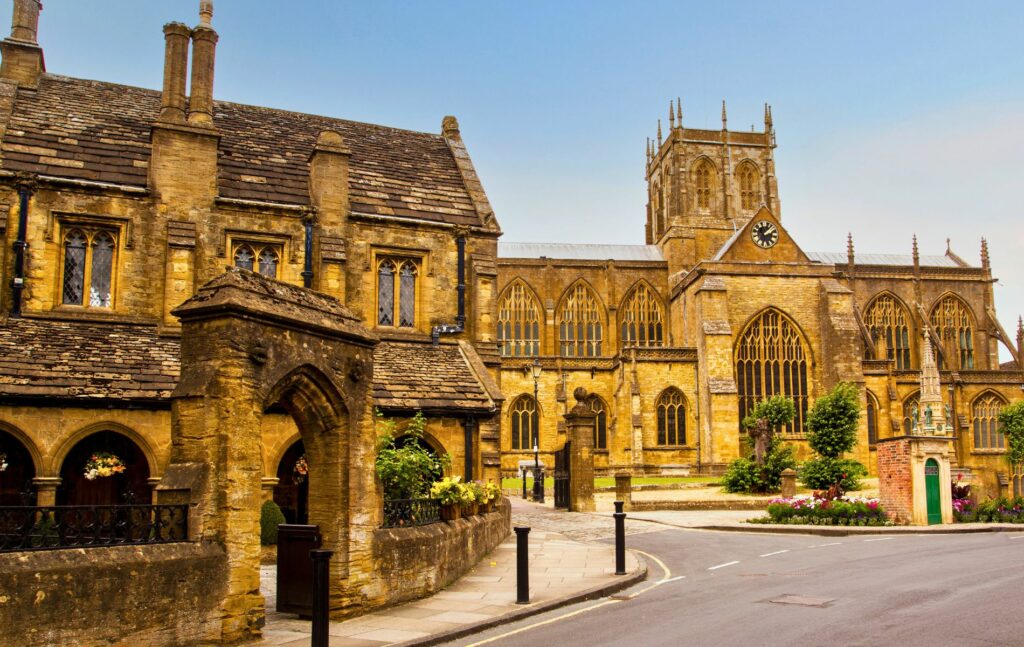
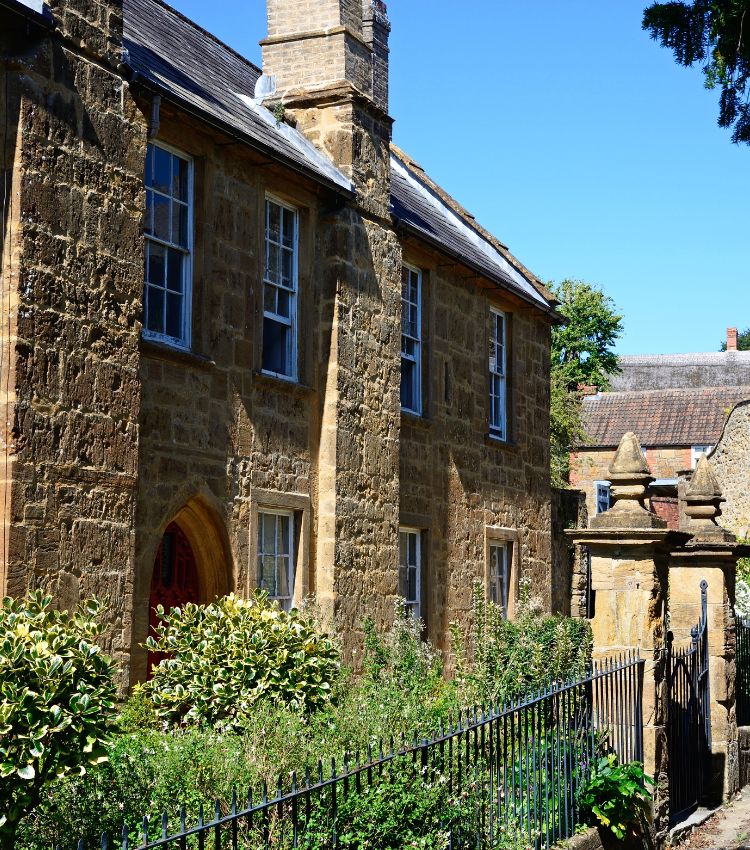
Sherborne is widely regarded as one of Dorset’s leading prime market towns. Its honey-stone architecture gives the town a visual coherence that is rare, and the presence of Sherborne School and Sherborne Girls contributes to sustained demand from families with education at the top of their priorities.
Supply is limited; the town’s built environment is tightly constrained, and many properties of quality are held for extended periods before coming to market.
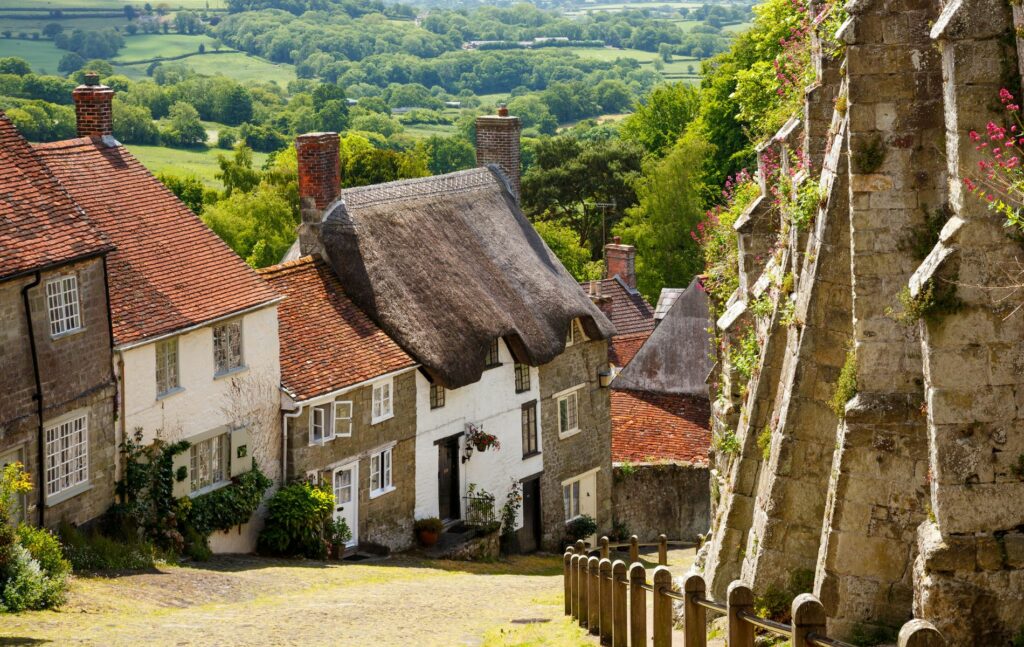
Shaftesbury, set on its ridge above the Blackmore Vale, offers an elevated position in both the literal and figurative sense, with road accessibility to Salisbury and Bath that broadens its appeal beyond purely local demand.
Wareham, to the south-east, occupies a Purbeck setting of considerable distinction, with the Jurassic Coast within easy reach and a direct rail service to London Waterloo that provides a practical dimension for buyers who require periodic access to the capital.
For those considering Dorset property, these three towns represent different buyer profiles, and the right choice depends on priorities that deserve careful examination.
Wiltshire
In Garrington’s experience, two Wiltshire addresses consistently feature in prime buyer searches across the South West.
Marlborough’s high street, one of the widest in the UK, gives the town a civic presence that sets it apart, and its position on the edge of the North Wessex Downs National Landscape, combined with the presence of Marlborough College, sustains a buyer profile that is both family-oriented and long-term in its thinking.
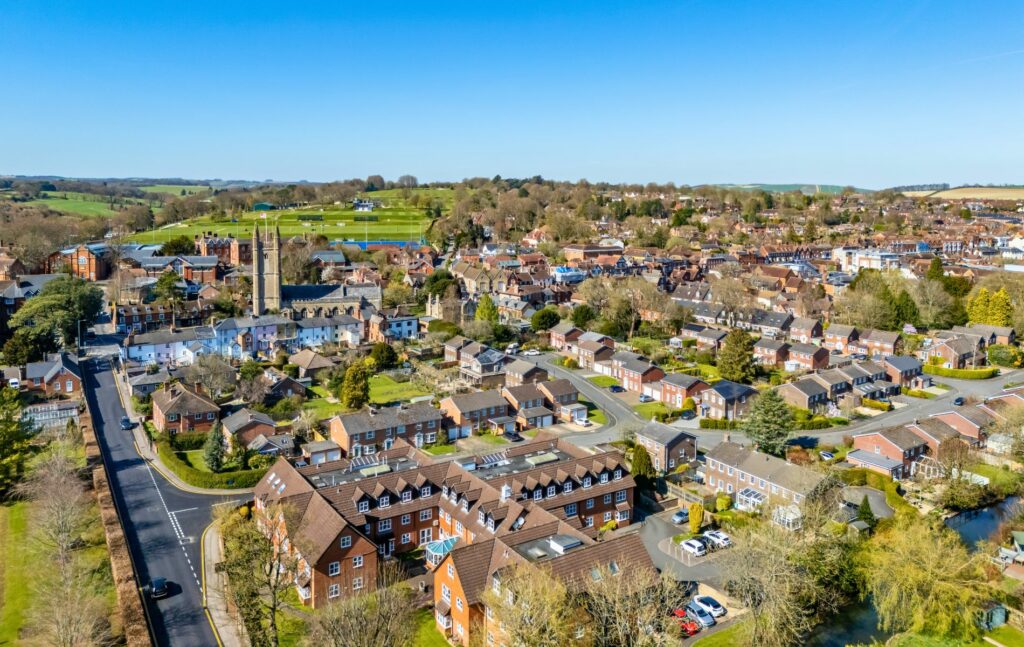
Independent retail here is well-established, and the surrounding villages extend the search area into some of the county’s most attractive countryside.
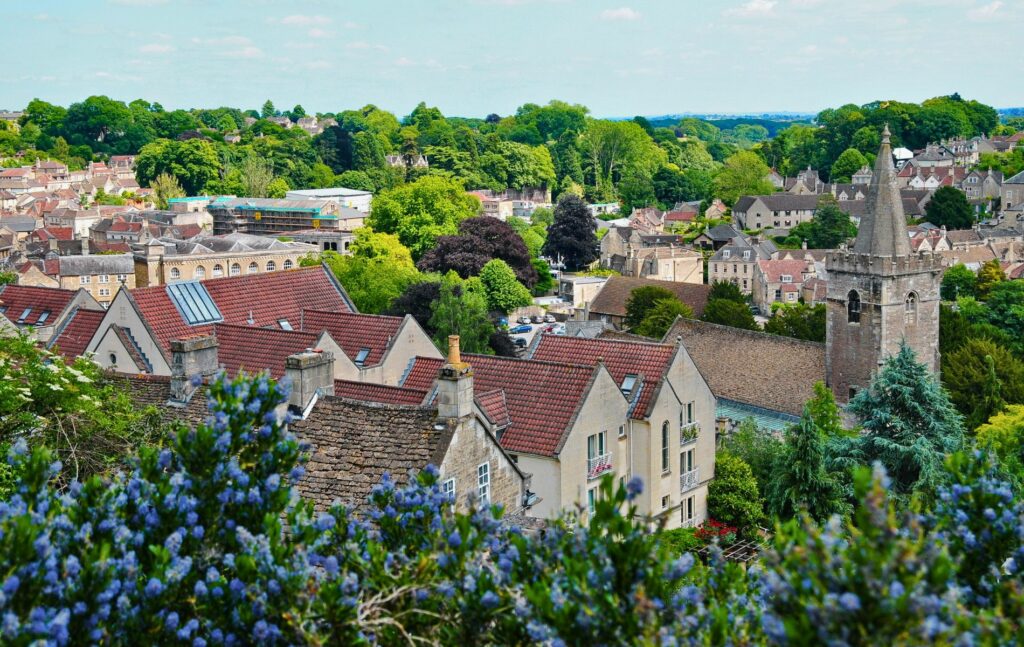
Bradford-on-Avon possesses a character and sense of place that set it distinctly apart. Its townscape, built almost entirely in Bath stone along a steep-sided Avon valley, is among the most visually coherent in the South West, and its rail connection to Bath makes it accessible without sacrificing the character that draws buyers to it in the first place.
Competition for the best properties here can be brisk. Garrington’s Wiltshire buying agents work across both towns and the surrounding villages.
Living in a South West market town: The property market explained
For those who are thinking of living in a South West market town and are about to start the property search, there are two considerations that apply consistently across the locations covered here. The first is stock.
At the upper end of the market, some prime opportunities are introduced privately or pre-market, meaning buyers who rely solely on public portals may not see the full range of available options.
This is not a universal feature of every transaction, but it is a consistent enough pattern to make broader market awareness an important part of any serious search.
The second is preparation. In markets where well-regarded properties move quickly and sometimes discreetly, buyers who arrive without a clear brief and the ability to act decisively can find themselves at a disadvantage. That is where experienced regional representation can make a practical difference.
Garrington’s South West team has direct knowledge of the prime markets across the region, including awareness of public, private, and pre-market opportunities where available.
We are here to help you realise your vision of living in a South West market town, and would welcome a conversation about where to focus your search. Please get in touch for a no-obligation discussion.