Living in Frome, Somerset: A buyer’s guide
Living in Frome offers something slightly different from many Somerset market towns.
Set in the east of the county close to the Wiltshire border, Frome combines architectural character with a sense of community, a lively cultural scene, and good connectivity.
While it has become increasingly well-known over the past decade, it remains first and foremost a working town, shaped by its history and supported by an active local population which has contributed to its growing popularity as a place to live, reputed for its independence and culture.
The appeal of living in Frome lies in this balance.
Alongside creativity and independence, there are well-regarded schools and thriving local businesses set within a town that is surrounded by beautiful countryside.
For buyers considering a move to Somerset who want a place with culture, vibrancy, and community, Frome is often a popular choice.
A brief history of Frome
Frome is roughly 14 miles south of Bath and around 7 miles west of Westbury. The town lies at the eastern edge of the Mendip Hills, with gently rolling countryside close by and open farmland beyond. Bristol is around 25 miles to the north west, while Salisbury lies to the south east.
Frome’s development was closely tied to the wool and cloth trade, which brought prosperity from the medieval period through to the Industrial Revolution.
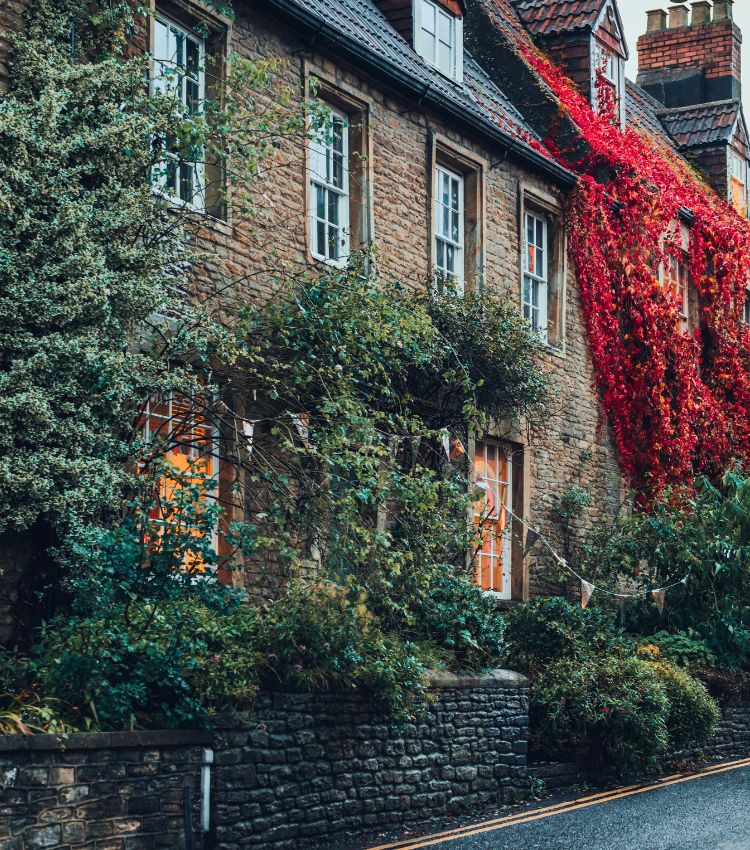
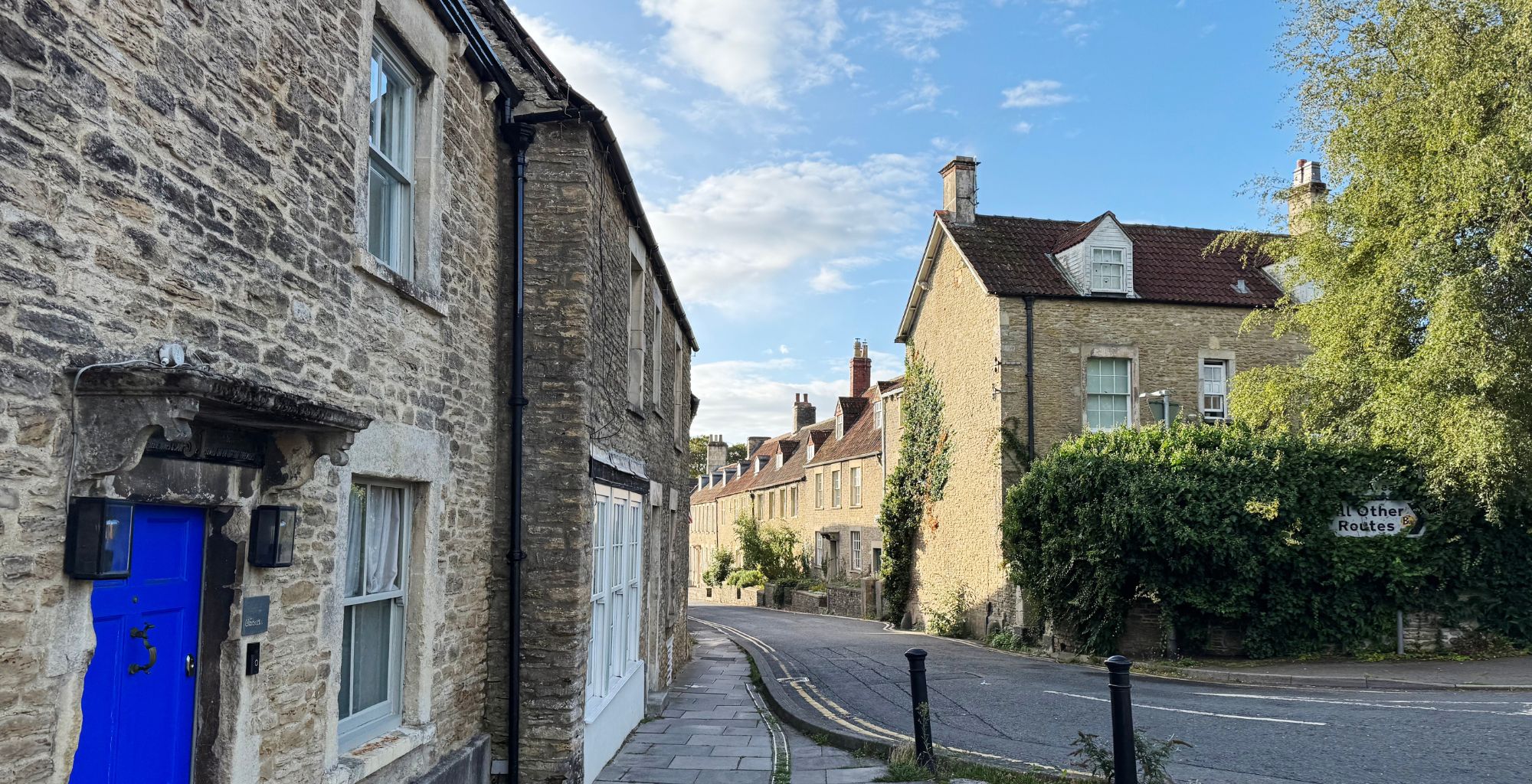
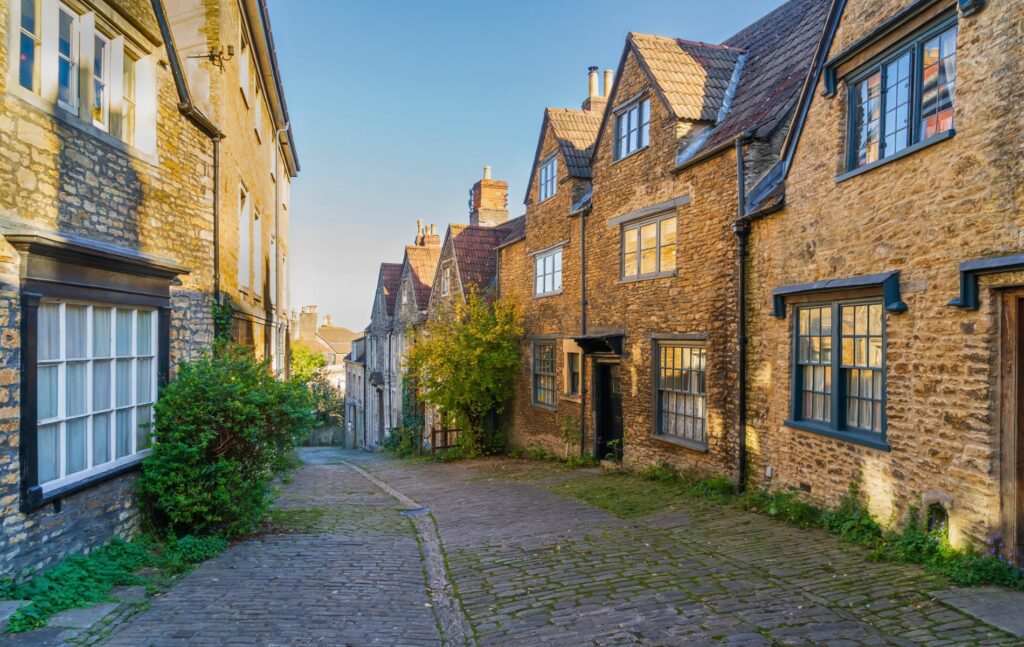
Much of the town’s architecture reflects this period of growth, with steep streets, former merchant houses, and converted mills still shaping the townscape today.
What types of property are there in Frome?
Living in Frome offers a broad mix of housing, with character playing a major role in many of the most sought-after areas.
Georgian townhouses and Victorian terraces are found close to the centre, particularly around Catherine Hill, Trinity Street, and the areas rising above the town. These properties are popular for their proportions and walkability, though demand is high and supply is limited.
Further out, Edwardian and interwar homes provide larger plots and quieter settings, while newer developments on the edges of town appeal to buyers looking for modern layouts and parking.
The surrounding villages, including Mells, Rode, Nunney, and Beckington, are also sought-after, being a short distance to Frome town centre but offering period properties set within beautiful villages.
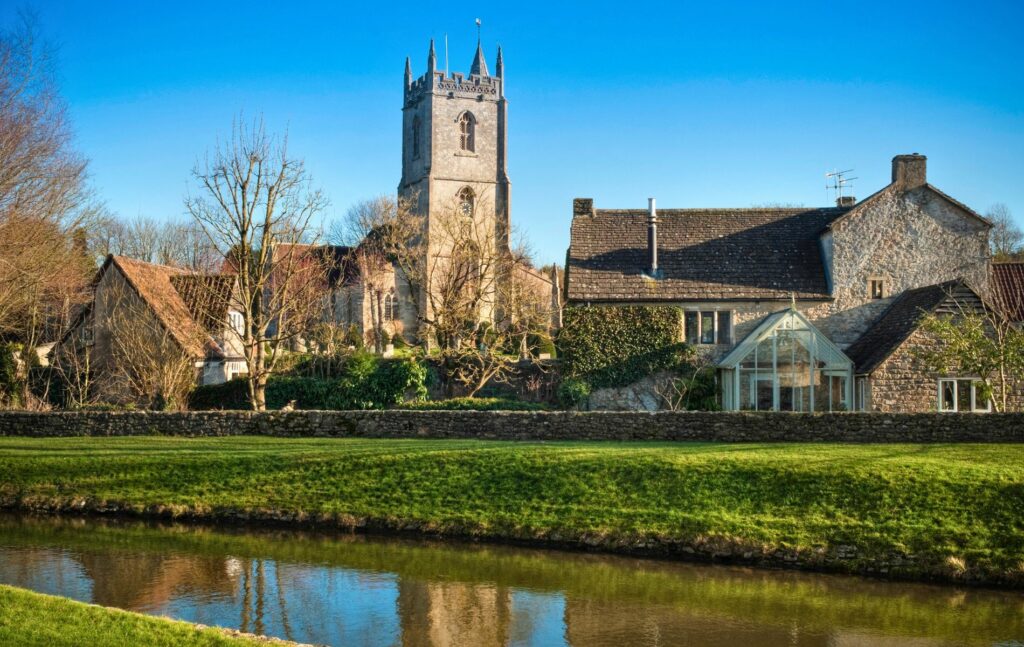
Although house prices in Frome have increased in recent years, the town can offer relatively more space or character than some neighbouring areas, such as Bath. Prices do vary by property type and location.
Are there good schools in Frome?
The town is well served with a good range of options in the town and the surrounding area:
Primary schools in and around Frome include:
- Springmead Preparatory School (Both a local primary and an independent option)
- Christchurch First School, close to the town centre
- Oakfield Academy, serving the western side of the town
- Trinity Church School, a Church of England primary school
- Critchill School, to the south of Frome
Secondary education:
- Selwood Academy
- Frome College, the town’s main secondary school and sixth form, is a popular option drawing pupils from a broad catchment area.
- Sexey’s School, Bruton
Independent options within easy reach:
- Springmead Preparatory School
- Kings Bruton
- All Hallows School near Cranmore
- Downside School, just outside Stratton on the Fosse
- King Edward’s School and The Royal High School in Bath
Independent schools in Bruton, Wells, and Bath are all accessible by car, with minibus services offering collections from the town, widening choice for families relocating to Frome.
Shops, food, and local life in Frome
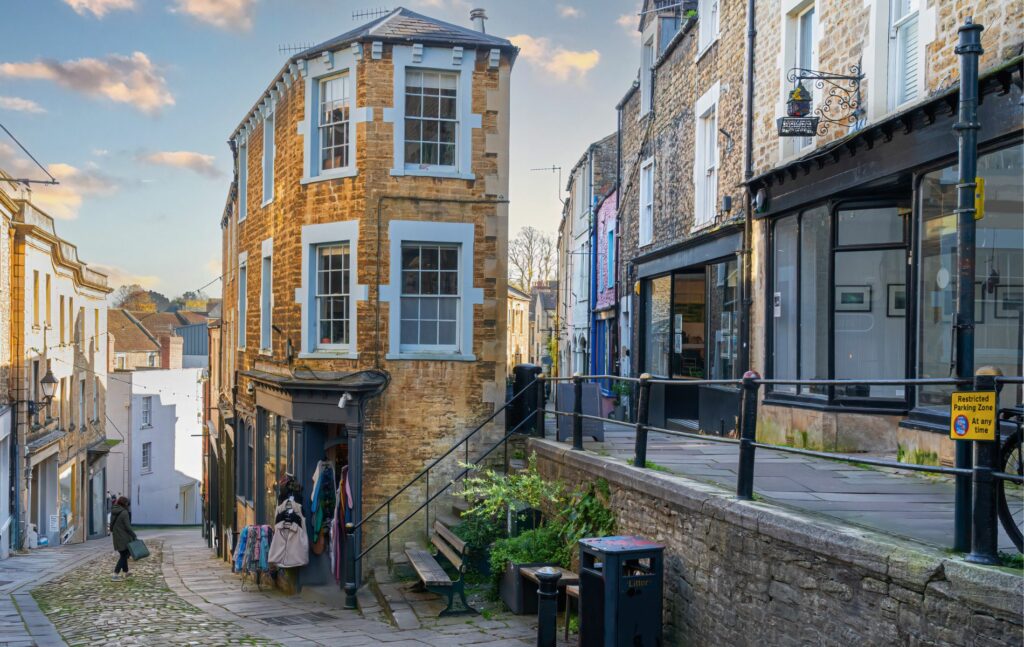
A key part of living in Frome is exploring its compact, walkable centre, where a high proportion of independent shops and businesses line the cobbled streets.
Cafés, delis, and specialist retailers, including makers and creators, add vibrancy and support the town’s creative population. Catherine Hill and Cheap Street continue to thrive.
The town has a diverse and evolving food scene, with a strong showing of independent cafés, bakeries, and restaurants integrated into everyday life.
Rye Bakery, based in a former church near the town centre and also at the railway station, is known for its relaxed atmosphere, seasonal menu, and occasional DJ nights. Moo and Two, located on Catherine Hill, is a well-regarded spot for coffee and tea.
The monthly Frome Independent Market adds further energy to the town, drawing visitors from across the region while still catering to locals.
Alongside these lifestyle attractions, Frome also provides the practical amenities expected of a market town, including supermarkets, healthcare facilities, and regular services.
What is the community and cultural scene like in Frome?
Frome has a vibrant community and cultural life, with events and activities taking place throughout the year that reflect the town’s creative spirit.
The annual Frome Festival, held each July, brings together concerts, performances, exhibitions, workshops, and activities across venues around the town, with something to accommodate a wide range of interests and ages.
At the heart of this scene is Cheese & Grain, a long‑established community venue and music space that hosts live music, exhibitions, markets, and family events in the town centre.
Family‑friendly occasions such as the Frome Children’s Festival take place each summer, offering free and accessible activities, performances, and workshops for children and families across town parks and venues.
Local businesses and groups also add to the town’s calendar with regular club nights, creative workshops, and community programmes tailored to children and families, helping make Frome a lively place to live and join in.
Parks, green spaces, and the countryside around Frome
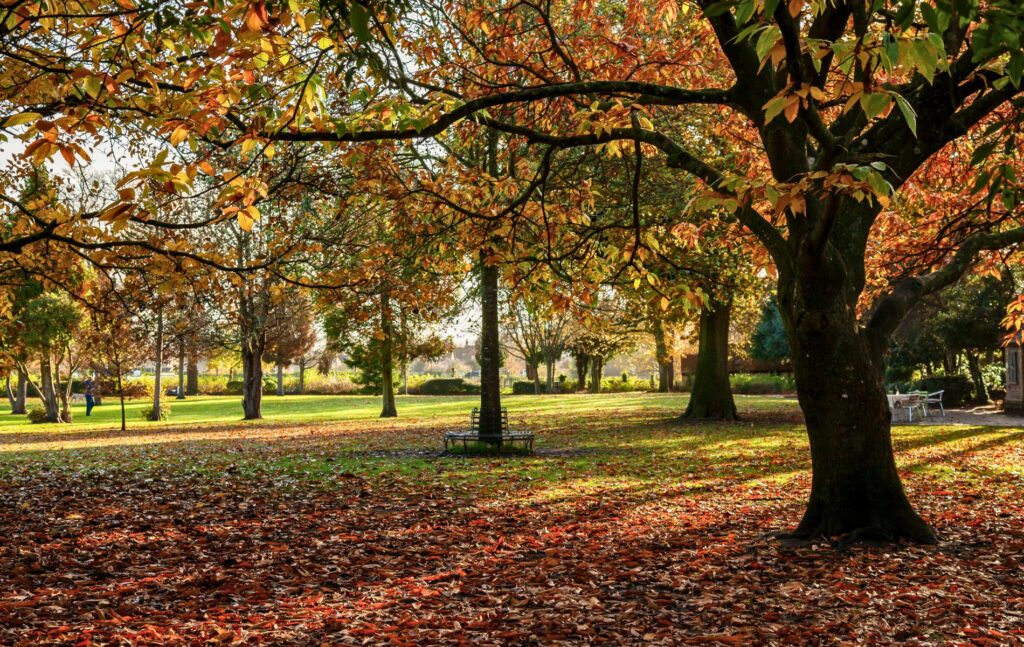
Frome is surrounded by the countryside and benefits from access to parks, riverside walks, and open meadows.
Green space is never far away. Victoria Park and Welshmill provide accessible outdoor areas within the town, while footpaths and cycle routes lead quickly into the surrounding countryside.
Frome benefits from access to the Mendip Hills, popular for walking, cycling, horse riding, and trail running.
How well connected is Frome for travel and commuting?
One of Frome’s main draws is its connectivity, benefiting from its own train station with direct access to Bath, Bristol and London Paddington, with onward connections via Westbury.
Journey times to Bath are typically around 35 to 45 minutes by train, making commuting a popular option.
Frome benefits from well-established road connections. The A361 links the town to routes towards Glastonbury and Wiltshire, while the A36 offers a direct route to Bath and Salisbury.
Additionally, the town lies within easy reach of the A303, a key route to Devon and Cornwall and commonly used by those travelling from London. Bristol Airport is also within reach, typically around 45 to 60 minutes away by car, depending on traffic.
Want to find out more about living in Frome?
For buyers relocating within Somerset or from further afield, Frome is an appealing option given its connectivity and amenities.
As with any popular location, demand is strong and particular areas are very sought-after. Understanding the nuances between different parts of the town and how living in Frome fits into the wider Somerset property market is key to making a successful move.
If you would like to explore buying property in or around Frome, Garrington’s local knowledge and discreet approach can help you navigate the market with confidence. Please get in touch for a no-obligation discussion about your plans.